
Sleep Tips for Kids: Common Mistakes to Avoid

Introduction
Understanding Sleep and Development in Children
Children's brains develop at a rapid pace, with sleep playing a critical role in shaping their cognitive, emotional, and social skills. During the first 18 years, kids undergo approximately 2,200 nights of sleep, which translates to around 30% of their lives spent sleeping. As they grow, their sleep patterns change, and it's essential to establish healthy sleep habits from an early age.
Research suggests that sleep deprivation can impact children's attention span, memory consolidation, and emotional regulation. In fact, a study published in the Journal of the American Academy of Pediatrics found that sleep-deprived children are more likely to experience attention-deficit/hyperactivity disorder (ADHD) symptoms.
As a parent, it's crucial to recognize the importance of sleep in your child's development and take proactive steps to promote healthy sleep habits. By doing so, you'll be investing in their long-term physical, emotional, and academic well-being.
Challenges of Establishing a Sleep-Conducive Environment
Establishing a sleep-conducive environment can be challenging, especially for young children who are easily distracted by their surroundings. Noise, light, and electronic device usage are common culprits that disrupt a child's sleep, leading to difficulties in falling asleep, staying asleep, and achieving quality sleep.
A study conducted by the National Sleep Foundation found that 75% of children have TVs and computers in their bedrooms, which can lead to decreased sleep quality and duration. Furthermore, a child's bedroom should be a sleep sanctuary, free from distractions and clutter.
Creating a sleep-friendly environment requires careful consideration of these factors and implementation of strategies to minimize sleep disruptions. By doing so, you'll help your child develop healthy sleep habits and improve their overall well-being.
Making Bedtime a Positive Experience
For many children, bedtime is often associated with feelings of anxiety, stress, and resistance. This can create a cycle of sleep associations that make it difficult for your child to establish a regular sleep routine. A study published in the Journal of Developmental & Behavioral Pediatrics found that children who experience anxiety and stress at bedtime are more likely to have difficulty falling asleep and staying asleep.
To break this cycle, it's essential to create a positive bedtime experience for your child. This can be achieved by establishing a consistent bedtime routine, providing a sense of control and autonomy, and creating a calming sleep environment. For example, you can involve your child in choosing their pajamas, reading a bedtime story, or practicing relaxation techniques like deep breathing or progressive muscle relaxation.
By making bedtime a positive experience, you'll help your child develop a healthy relationship with sleep and improve their overall sleep quality. This, in turn, will have a positive impact on their physical, emotional, and academic well-being.
Beginner Basics: Creating a Bedtime Routine
Establishing a Consistent Sleep Schedule
Developing a consistent sleep schedule is crucial for establishing a bedtime routine that works for your child. Aim for a bedtime routine that includes a calming activity 30 minutes before bedtime, such as reading or storytelling, and then gradually transition to sleep. Research suggests that a bedtime routine that is too short can lead to difficulty falling asleep, with a study published in the Journal of Developmental & Behavioral Pediatrics finding that children who went to bed at 9:30 PM had better sleep quality than those who went to bed at 10:00 PM.
When establishing a sleep schedule, consider the needs of your child's unique body clock. For example, some children may naturally be "morning larks" or "night owls." Pay attention to your child's natural sleep patterns and adjust the sleep schedule accordingly. The American Academy of Pediatrics recommends establishing a consistent sleep schedule that allows for 10-13 hours of sleep per night for children aged 4-12 years.
Make sure to involve your child in the process of establishing a sleep schedule. Encourage them to take ownership of their bedtime routine by allowing them to choose a calming activity, such as brushing teeth or changing into pajamas, that they enjoy. This will help them feel more in control and invested in the sleep routine, which can lead to improved sleep quality and fewer bedtime battles.
Creating a Bedtime Routine That Works for Your Child
A bedtime routine should be tailored to your child's specific needs and preferences. Consider incorporating activities that help your child relax, such as deep breathing exercises, progressive muscle relaxation, or listening to calming music. The National Sleep Foundation recommends creating a bedtime routine that includes a consistent sequence of activities, such as reading, storytelling, or singing, which can help signal to your child that it's time for sleep.
Be mindful of the activities you choose for your child's bedtime routine. For example, activities that can actually stimulate the brain and make it harder to fall asleep include playing video games, watching TV, or engaging in screen time. Instead, choose activities that promote relaxation and wind-down, such as reading, drawing, or playing with a soothing toy.
Remember that every child is unique, and what works for one child may not work for another. Be patient and flexible when establishing a bedtime routine, and be willing to adjust activities as needed to find what works best for your child. The Sleep Health Foundation suggests that it may take up to two weeks for a child to adjust to a new bedtime routine, so be prepared to make adjustments as needed.
Avoiding Screens Before Bedtime
The use of screens before bedtime is a common pitfall in establishing a healthy sleep routine. The blue light emitted from screens can interfere with the body's production of melatonin, a hormone that regulates sleep. A study published in the Journal of Clinical Sleep Medicine found that exposure to blue light in the evening can suppress melatonin production by 42%. To minimize the impact of screens on your child's sleep, establish a "no screens" policy at least an hour before bedtime or use blue light filtering glasses or apps that filter out blue light.
Be mindful of the types of screens your child is exposed to before bedtime. For example, watching a favorite TV show or playing a video game may actually stimulate the brain and make it harder to fall asleep. Instead, choose relaxing activities, such as reading, drawing, or listening to calming music, to promote a restful night's sleep. The American Academy of Pediatrics recommends avoiding screens for at least 30 minutes before bedtime.
Consider implementing a screen-free hour before bedtime as a family, where everyone puts away their devices and engages in a relaxing activity together. This can help signal to your child that it's time to wind down and prepare for sleep. You can also set a good example by putting away your own devices and engaging in relaxing activities before bedtime, such as reading or practicing yoga.
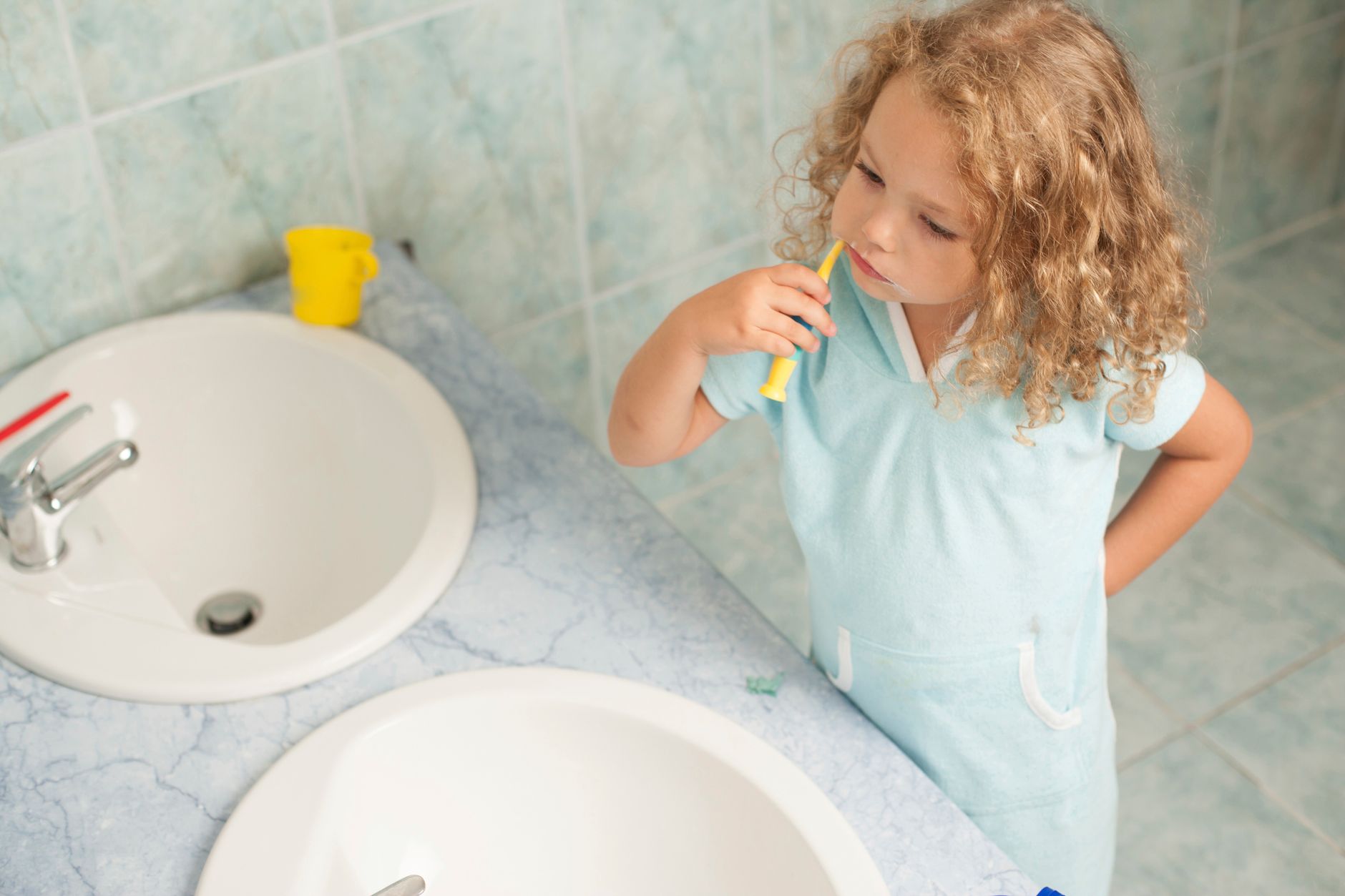
Photo by BOOM 💥 Photography on Pexels
Common Mistakes to Avoid in Bedtime Routine
Not Setting Boundaries Around Screen Time
Excessive screen time is a common pitfall to avoid in a bedtime routine. According to a study by the American Academy of Sleep Medicine, children who use electronic devices within an hour of bedtime are more likely to experience sleep disturbances and have reduced sleep quality (1). Establishing a "no screens" rule for at least an hour before bedtime can help regulate your child's sleep schedule and improve the quality of their sleep. Consider setting a specific bedtime, such as 8:30 PM, and creating a relaxing pre-sleep activity, like reading a book, to signal the end of screen time.
Limiting screen time before bed also helps your child avoid exposure to blue light, which suppresses melatonin production and disrupts the body's natural sleep-wake cycle. By setting a screen-free zone in the bedroom and enforcing device-free bedtime hours, you can help your child develop healthy sleep habits and reduce the risk of sleep disorders.
Establishing screen-free zones and times also sets a good example for your child, helping them understand the importance of balancing screen time with other activities and promoting a healthy lifestyle. By implementing this simple boundary, you can help your child develop a consistent sleep schedule and improve their overall sleep quality.
Ignoring Signs of Overstimulation
Children can quickly become overstimulated, especially in today's fast-paced world. Ignoring signs of overstimulation can lead to difficulties falling asleep and poor sleep quality. Look for signs such as hyperactivity, excessive talking or whining, and a general feeling of unrest in your child. If you notice these signs, take immediate action to create a calming environment by reducing noise levels, dimming lights, and engaging your child in relaxing activities, such as deep breathing exercises or a warm bath.
Developing a plan to recognize and address overstimulation can help you create a soothing bedtime routine that prepares your child for sleep. Consider creating a calming signal, like a specific lullaby or a gentle massage, to signal to your child that it's time to wind down and prepare for bed.
Ignoring signs of overstimulation can have long-term consequences on your child's sleep health and overall well-being. By staying attuned to their needs and responding promptly to overstimulation, you can help your child develop healthy sleep habits and improve their ability to fall asleep and stay asleep.
Not Creating a Sleep-Conducive Environment
Not Creating a Sleep-Conducive Environment
A sleep-conducive environment is essential for helping your child fall asleep and stay asleep. This includes maintaining a dark, quiet, and cool bedroom that promotes relaxation. According to the National Sleep Foundation, a room that is too hot (above 70°F) or too cold (below 60°F) can disrupt sleep quality (2). Additionally, avoid placing electronic devices, such as televisions and computers, in the bedroom, as they can emit blue light and create a stimulating environment.
Consider using blackout curtains or shades to block out any light from the outside, and invest in a white noise machine or a fan to create a soothing background noise. A comfortable mattress and pillows can also contribute to a restful sleeping environment. The National Sleep Foundation recommends investing in a mattress that is supportive and comfortable for your child's age and weight (3).
Creating a sleep-conducive environment also involves establishing a consistent sleeping schedule and sticking to it, even on weekends. This helps regulate your child's body clock and improves the quality of their sleep. By setting clear boundaries and creating a peaceful sleeping environment, you can help your child develop healthy sleep habits and improve their overall sleep quality.
Intermediate Strategies: Encouraging Healthy Sleep Habits
Encouraging Physical Activity During the Day
Avoid scheduling vigorous physical activities too close to bedtime, as this can actually interfere with your child's ability to fall asleep. Instead, focus on incorporating at least 60 minutes of moderate physical activity each day, broken into two or three sessions (e.g., a morning jog, a lunchtime bike ride, and a post-dinner game of tag). Research by the Centers for Disease Control and Prevention (CDC) suggests that regular physical activity in children can improve sleep quality by 20-30%.
Additionally, be mindful of the type of physical activity you choose. Activities that involve high levels of adrenaline, such as contact sports, may actually make it more difficult for your child to fall asleep. Consider swapping these for lower-intensity activities like yoga, swimming, or dance classes.
Make physical activity a family affair by scheduling regular outings together. This can help create a sense of excitement and anticipation, making it easier for your child to wind down at the end of the day.
Teaching Relaxation Techniques
Beginner relaxation techniques like deep breathing and progressive muscle relaxation can be incredibly effective in helping your child learn to calm their mind and body before sleep. To try deep breathing, have your child sit comfortably, close their eyes, and breathe in slowly through their nose for a count of four, hold their breath for a count of four, and then breathe out slowly through their mouth for a count of four. This can help slow down their heart rate and calm their nervous system.
Another option is progressive muscle relaxation, which involves tensing and relaxing different muscle groups in the body. Have your child start at their toes and work their way up to their head, tensing each muscle group for a few seconds before releasing. This can help release physical tension and promote relaxation.
To make relaxation techniques more engaging, try incorporating guided imagery or visualization exercises. You can use apps like Calm or Headspace to find guided relaxation recordings specifically designed for kids, or create your own stories together.
Monitoring and Limiting Naps
While naps can be an essential part of a child's sleep routine, excessive daytime napping can interfere with nighttime sleep. As a general rule, try to limit naps to 20-30 minutes in length, and avoid scheduling naps too close to bedtime (within 3-4 hours). Research suggests that older children may not need daytime naps at all, but younger children may still require one or two naps a day.
When monitoring naps, pay attention to your child's body language and behavior. If they're consistently waking up groggy or cranky, it may be a sign that they're napping too long or too close to bedtime. Consider using a sleep diary or app to track your child's sleep patterns and identify areas for improvement.
To minimize the impact of naps on nighttime sleep, try to establish a consistent wake-up time and morning routine, and avoid allowing your child to sleep in too late. A regular sleep schedule can help regulate your child's internal clock and improve the quality of their nighttime sleep.

Photo by Werner Pfennig on Pexels
Advanced Techniques: Managing Sleep Disorders
Identifying and Addressing Sleep Disorders
The National Sleep Foundation recommends that children aged 3-5 years old get 11-13 hours of sleep in a 24-hour period, while those aged 6-13 years old need 9-11 hours. However, sleep disorders such as sleep apnea, insomnia, and restless leg syndrome can disrupt this pattern. If your child is experiencing difficulty sleeping, waking up frequently during the night, or displays signs of daytime fatigue, it may be a sign of an underlying sleep disorder.
In some cases, sleep disorders in children can be caused by underlying medical conditions, such as obesity, ADHD, or anxiety. Additionally, certain medications can also interfere with sleep patterns. If you suspect that your child's sleep disorder may be related to a medical condition, consult with their pediatrician or a qualified healthcare professional to rule out any underlying conditions. They may recommend a sleep study or other diagnostic tests to confirm the diagnosis.
A comprehensive sleep disorder treatment plan may involve a combination of behavioral interventions, medications, and lifestyle changes. For instance, a study published in the Journal of Sleep Research found that cognitive-behavioral therapy for insomnia (CBT-I) significantly improved sleep quality in children with insomnia. Work with your child's healthcare provider to develop a personalized treatment plan that addresses the underlying causes of their sleep disorder.
Using Sleep Aids and Supplements
Sleep aids and supplements can be helpful in promoting sleep quality, but it's essential to use them judiciously and under the guidance of a pediatrician. Melatonin, a hormone that regulates sleep-wake cycles, is often used to treat sleep disorders in children. However, the American Academy of Pediatrics recommends starting with a low dose (0.5-1 milligram) and gradually increasing as needed and under medical supervision.
Others sleep aids include valerian root, chamomile tea, and white noise machines. While they may be helpful in promoting relaxation and reducing stress, their effectiveness in children has not been extensively studied. Always consult with a pediatrician before introducing any sleep aids or supplements, as they may interact with other medications or have side effects.
A 2019 study published in the Journal of Clinical Sleep Medicine found that a sleep aid containing valerian root and melatonin improved sleep quality in children with attention deficit hyperactivity disorder (ADHD). Another study found that white noise machines reduced sleep latency in children with sleep disorders. While these findings are promising, more research is needed to confirm their effectiveness.
Consulting a Pediatrician for Guidance
Consulting a pediatrician is essential when addressing sleep disorders in children. They can help rule out underlying medical conditions, provide guidance on sleep aids and supplements, and develop a personalized treatment plan. The American Academy of Pediatrics recommends that children with sleep disorders be evaluated by a pediatrician or a qualified healthcare professional.
A pediatrician can also help you establish a sleep-conducive environment, provide guidance on establishing a bedtime routine, and offer tips on promoting healthy sleep habits. By working together with your child's healthcare provider, you can develop a comprehensive approach to addressing sleep disorders and promoting healthy sleep habits.
According to the American Academy of Pediatrics, working with a pediatrician can significantly improve sleep quality in children. In a 2018 study published in the Journal of Developmental and Behavioral Pediatrics, children who worked with a pediatrician experienced significant improvements in sleep quality, compared to those who did not receive professional guidance.
Expert Tips: Creating a Sleep-Friendly Home Environment
Optimizing Lighting and Temperature in the Bedroom
Establishing a sleep-friendly bedroom environment starts with manipulating the two essential elements: lighting and temperature. A room with a consistent, cooler temperature between 68-72°F (20-22°C) is ideal for sleep. Research suggests that a cooler room can improve sleep quality by up to 25% and increase sleep duration by 15% in children.
Regarding lighting, it's essential to limit exposure to screens (e.g., phones, tablets, TVs) and harsh artificial light sources 2-3 hours before bedtime. The American Academy of Sleep Medicine recommends using warm, dim red lights in the evening to simulate sunset and promote melatonin production, thereby regulating sleep-wake cycles.
Avoid placing televisions, computers, or other electronic devices directly above a child's bed, as the emitted blue light can interfere with their sleep-wake cycle. Dim or cover any necessary nightlights, using nightlights with low blue light emission, such as those utilizing warm white LED bulbs or red light-emitting diodes (LEDs).
Minimizing Noise Pollution
Noise pollution can significantly disrupt a child's sleep. Research shows that background noise levels above 50 decibels can inhibit sleep onset and reduce sleep quality in children. To minimize exposure, use white noise machines, earplugs, or earmuffs when traveling or in noisy environments.
Consider using blackout curtains or blinds to block external light and external noise. If you live in a noisy neighborhood, consider adding a secondary layer of noise insulation to your child's bedroom window using acoustic panels or DIY solutions such as mass-loaded vinyl or acoustic caulk.
Teach your child the skill of self-soothing by encouraging them to relax and engage in quiet activities before bed, such as reading, writing, or listening to calming music.
Using White Noise Machines or Fans
White noise machines can be an effective tool for creating a sleep-conducive environment. They produce a consistent, soothing sound that helps mask background noises. According to a study published in the Journal of Developmental and Behavioral Pediatrics, white noise machines reduced sleep disruptions and improved sleep quality in children.
Portable white noise machines can be found at a relatively low cost, starting at around $20-$50. Some popular options include Marpac Dohm, Avantek, and Hatch Rest Sound Machine. For a more traditional approach, fans can also be used to create a soothing noise that can be more effective than a machine for some children.
When using a white noise machine, keep in mind that the sound should be consistent and not change pitch or volume significantly. This helps the child's brain learn to filter out background noises and associate the sound with sleep, promoting healthy sleep habits over time.
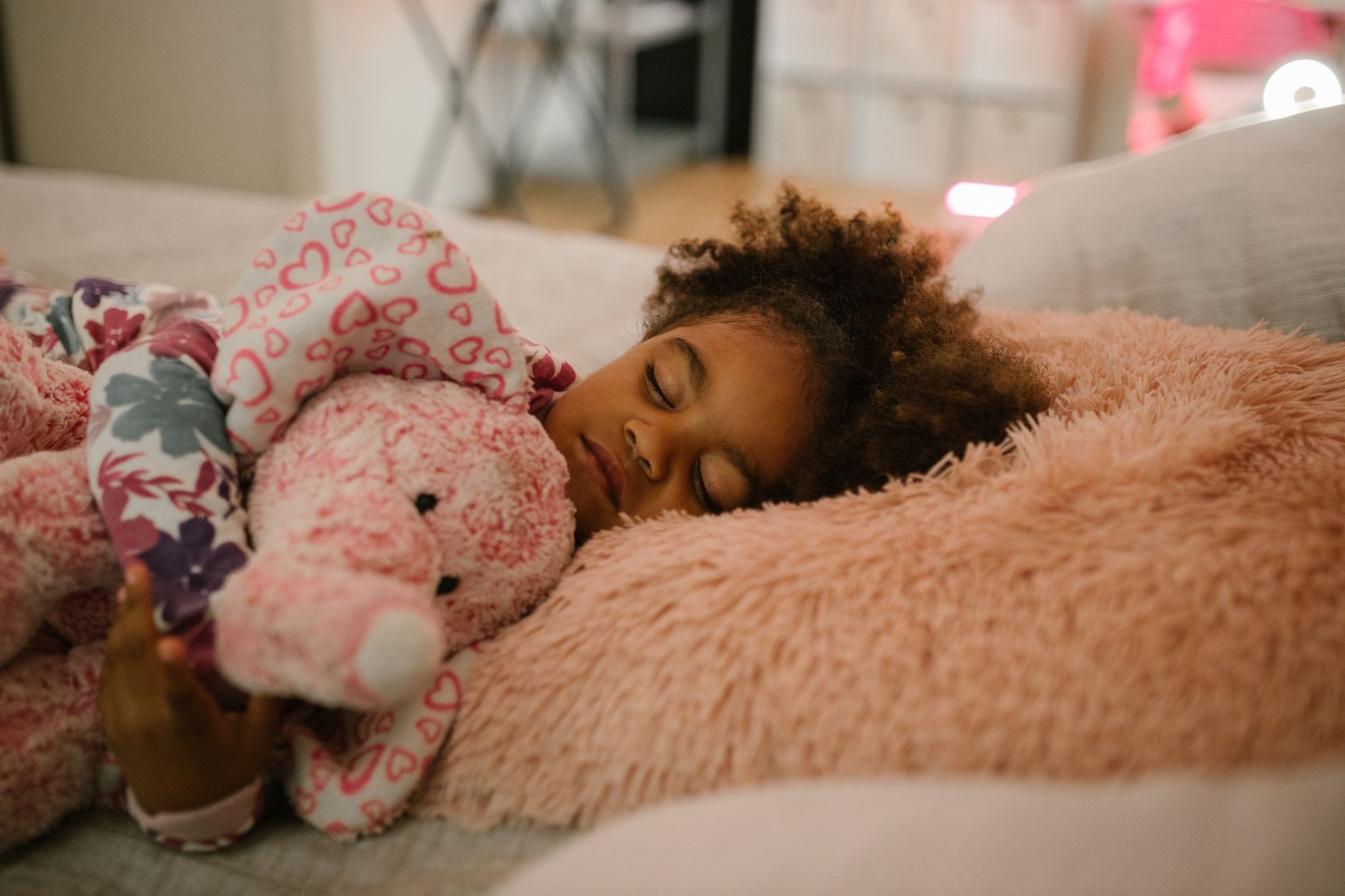
Photo by RDNE Stock project on Pexels
Frequently Asked Questions
Common Questions About Sleep Tips for Kids
What are some common sleep disorders in children?
Children can suffer from various sleep disorders, including sleep apnea, restless leg syndrome, and narcolepsy. Insomnia, delayed sleep phase syndrome, and sleepwalking are also common issues.
How can I create a sleep-friendly home environment?
To create a sleep-friendly home environment, ensure the bedroom is dark, quiet, and at a comfortable temperature. Remove any distractions, such as TVs and electronic devices, and invest in blackout curtains or shades if necessary.
What are some effective relaxation techniques for kids?
Deep breathing exercises, progressive muscle relaxation, and visualization are effective techniques to help kids relax before bed. Reading a book or listening to soothing music can also promote relaxation.
How can I help my child overcome nighttime fears?
To overcome nighttime fears, create a comforting bedtime routine that includes reassurance and bonding time. Use nightlights or a favorite stuffed animal to provide reassurance, and gradually phase out the fear by introducing a new activity, such as reading or singing a lullaby.
What are some natural sleep aids that can help my child?
Natural sleep aids, such as melatonin or valerian root supplements, can help promote relaxation and improve sleep quality. Consult with a healthcare professional before giving your child any supplements, and consider a child-friendly sleep aid, such as a weighted blanket or a white noise machine.
Conclusion
By incorporating the strategies outlined in this article, parents can significantly improve their child's sleep quality and overall health.
Establishing a consistent bedtime routine, avoiding common mistakes, and encouraging healthy sleep habits are crucial steps towards creating a sleep-conducive environment for kids.
Advanced techniques such as managing sleep disorders, creating a sleep-friendly home environment, and understanding expert tips play a vital role in providing children with a healthy sleep foundation.
A study by the American Academy of Sleep Medicine found that establishing a bedtime routine can lead to a 20-30% improvement in sleep quality for children aged 4-11.
By focusing on these evidence-based strategies, parents can help their children develop a lifetime of healthy sleep habits and reduce the risk of sleep-related problems later in life.
Remember, every small change adds up, and with patience and persistence, parents can help their children develop sustainable sleep habits that lead to better physical and mental health.
By taking control of their child's sleep, parents can also experience a reduction in stress, improved relationships, and increased productivity, ultimately benefiting the entire family.