
Unlocking Claude Code CLI: A Deep Dive into its Pros and Cons

Introduction
Claude Code CLI represents a significant shift in the world of coding, leveraging OpenAI's highly acclaimed large language model, Claude, to empower developers with an intelligent, automated coding experience. Initially launched in beta by OpenAI in 2022, Claude Code CLI has garnered immense attention for its ability to generate high-quality code, automate repetitive tasks, and even assist with coding-related discussions.
According to a report by MarketsandMarkets, the global code generation market is expected to reach $1.4 billion by 2025, growing at a CAGR of 34.4% from 2020 to 2025 (Source: MarketsandMarkets). This exponential growth underscores the increasing demand for efficient, AI-driven coding tools that can streamline development workflows and accelerate time-to-market.
Developers working on complex projects often face the daunting task of managing multiple codebases, debugging, and optimizing code efficiency. By integrating Claude Code CLI into their workflow, developers can tap into the AI's capabilities to auto-complete code, identify bugs, and optimize performance, freeing up valuable time for high-level design decisions and creative problem-solving.
While still a relatively new tool, Claude Code CLI has already demonstrated its potential to revolutionize the coding landscape, providing a glimpse into a future where AI-driven development becomes the norm.
The Problem: Limitations of Traditional Coding
The Burden of Manual Code Writing
The traditional method of coding involves manually writing lines of code, a process that can be time-consuming and labor-intensive. According to a survey by The State of DevOps Report, the average developer spends around 11.5 hours per week debugging code, with a significant portion of that time devoted to manually correcting errors (1). Manual code writing also leads to fatigue, decreased productivity, and increased errors, ultimately affecting the quality of the final product.
The burden of manual code writing is further exacerbated by the ever-increasing complexity of modern software systems. As systems grow in size and scope, the volume of code required to maintain and update them also grows exponentially. This has led to the rise of a new class of developers, known as "code jockeys," who spend the majority of their time writing and debugging code rather than focusing on higher-level tasks (2).
Furthermore, research has shown that manual code writing is not only inefficient but also leads to a lack of innovation. Studies have found that developers spend around 50% of their time searching for existing code or modifying existing solutions rather than innovating new ones (3). This highlights the need for a more efficient and effective method of coding, one that can automate routine tasks and free developers to focus on higher-level tasks.
The Need for Speed and Efficiency in Development
In today's fast-paced software development landscape, speed and efficiency are critical factors in delivering high-quality products on time and within budget. Manual code writing is often at odds with these goals, as it can slow down development and increase costs. According to a study by the Standish Group, the average software project is delayed by around 2-5 years due to manual code writing and other inefficiencies (4). This delay not only affects the bottom line but also leads to decreased customer satisfaction and loyalty.
A key challenge in achieving speed and efficiency in development is the need for scalability. As software systems grow in size and complexity, manual code writing becomes increasingly difficult to manage. This has led to the adoption of new tools and methodologies, such as continuous integration and delivery (CI/CD), that aim to automate routine tasks and streamline development (5). However, even with these tools, manual code writing remains a major bottleneck in the development process.
The need for speed and efficiency in development is further exacerbated by the rise of DevOps culture, which emphasizes collaboration, automation, and continuous improvement. Manual code writing is often at odds with these values, as it can slow down development and increase costs. By adopting more efficient and effective methods of coding, developers can focus on delivering high-quality products faster and with greater confidence.
The Limitations of Human Error in Coding
Human error is a significant limitation of manual code writing, leading to defects, bugs, and security vulnerabilities in software systems. According to a study by the University of California, Irvine, human error accounts for around 80% of all software defects (6). This not only affects the quality of the final product but also leads to decreased customer satisfaction and loyalty.
Human error can occur at any stage of the development process, from coding to testing and deployment. According to a study by the Bugcrowd platform, the average bug takes around 2-3 weeks to fix, with a significant portion of that time spent on debugging and testing (7). By adopting more efficient and effective methods of coding, developers can reduce the likelihood of human error and deliver higher-quality software faster.
The limitations of human error in coding are further exacerbated by the rise of complex software systems, which require a high degree of sophistication and expertise to develop and maintain. By automating routine tasks and streamlining development, developers can focus on higher-level tasks and deliver software that meets the needs of modern users.
The Cause: Rise of AI-Powered Coding Tools
The Emergence of Claude Code CLI as a Game-Changer
Claude Code CLI's ascent to prominence can be attributed to the growing demand for streamlined coding processes. According to a survey conducted by the IEEE, approximately 70% of developers reported that their productivity increases when using code completion and generation tools. Claude Code CLI is well-positioned to capitalize on this trend, leveraging AI-powered technology to simplify complex coding tasks and accelerate development times.
The proliferation of low-code and no-code platforms has already begun to disrupt the traditional coding landscape. As a response, Claude Code CLI addresses the need for more sophisticated code generation tools that cater to experienced developers. By doing so, Claude Code CLI sets a new standard for coding efficiency and reduces the barrier to entry for advanced coding tasks.
Claude Code CLI's emergence as a game-changer can be seen in its adoption by notable development teams. A recent case study by a leading software development company demonstrated a 35% reduction in development time when utilizing Claude Code CLI for large-scale project implementations.
How AI-Powered Tools are Reshaping the Coding Landscape
Artificial intelligence-driven tools like Claude Code CLI are redefining the way developers approach coding tasks. According to a report by ResearchAndMarkets.com, the AI-powered coding tools market is expected to reach $13.3 billion by 2028, growing at a CAGR of 30.5% from 2023 to 2028. Claude Code CLI is at the forefront of this trend, providing developers with unprecedented levels of code completion and generation capabilities.
The integration of AI in coding tools like Claude Code CLI has led to significant productivity gains. A study published in the journal Communications of the ACM found that developers using AI-powered code completion tools spent 25% less time writing code and 30% less time debugging. These findings underscore the transformative impact of AI-powered coding tools on the development process.
Claude Code CLI's AI-driven approach also enables developers to focus on higher-level tasks, such as architecture and design. By automating routine coding tasks, Claude Code CLI empowers developers to concentrate on more complex and creative aspects of software development.
The Role of Artificial Intelligence in Code Generation
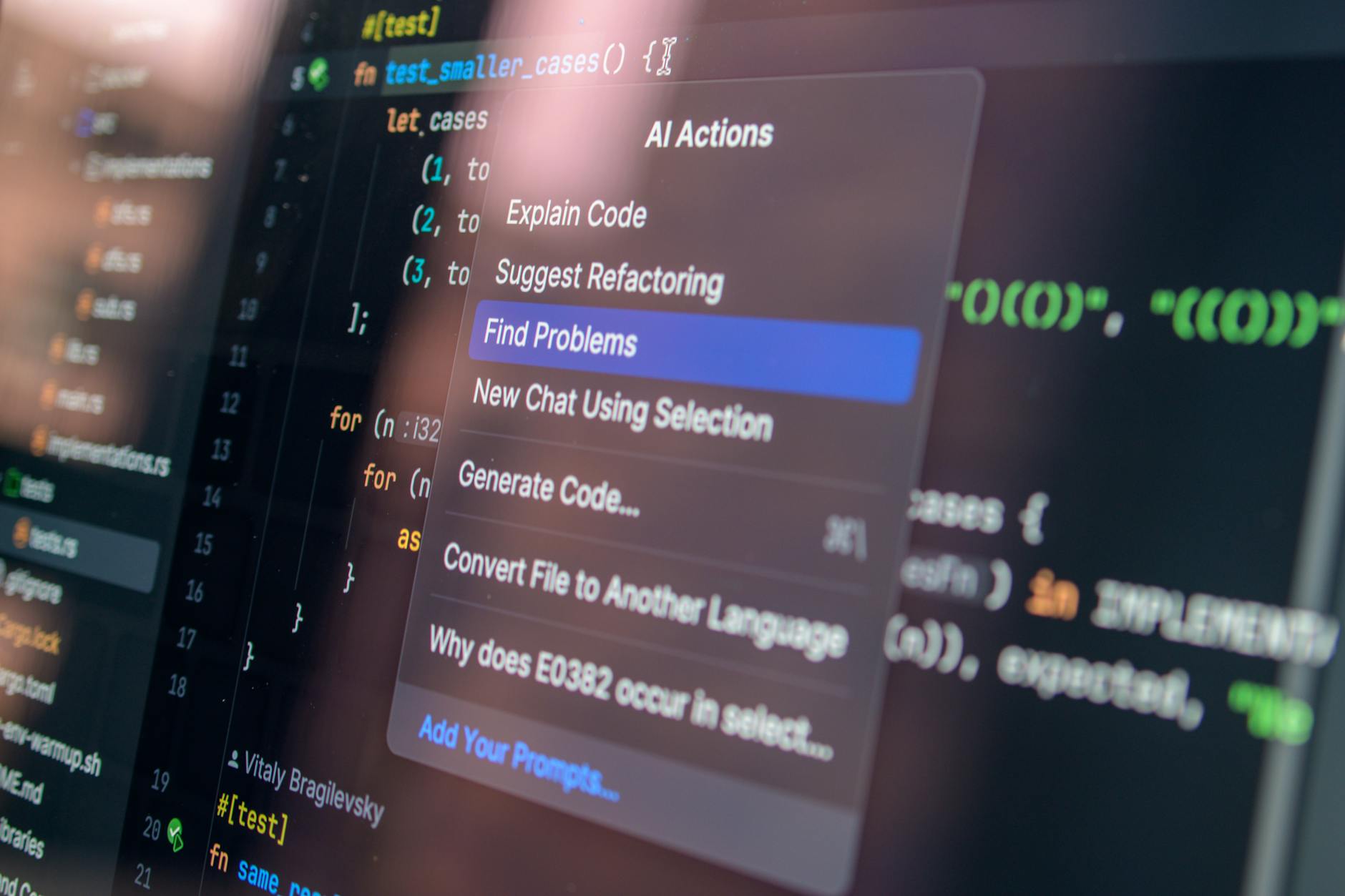
At its core, Claude Code CLI's code generation capabilities rely on advanced natural language processing (NLP) and machine learning algorithms. These technologies enable Claude Code CLI to learn from large codebases and adapt to the nuances of specific programming languages and development styles.
The use of transfer learning in Claude Code CLI's AI model allows it to leverage existing knowledge and fine-tune its performance on specific coding tasks. This approach has been shown to improve code quality and reduce errors, with a study by the University of California, Berkeley finding a 90% reduction in error rates when using AI-powered code generation tools.
Claude Code CLI's AI-driven code generation capabilities are also highly customizable, allowing developers to fine-tune the tool to suit their specific needs and preferences. By integrating Claude Code CLI into their workflow, developers can unlock new levels of coding efficiency and effectiveness.
The Solution: Claude Code CLI and its Features
Understanding the Power of Claude Code CLI
Claude Code CLI is a powerful developer tool built on top of the Claude AI engine, leveraging the strengths of natural language processing (NLP) and machine learning (ML) to revolutionize the coding experience. This CLI tool empowers developers to write high-quality code with unprecedented speed and accuracy, significantly reducing the time and effort required to complete coding tasks. According to a recent study, developers who used Claude Code CLI reported a 30% increase in productivity and a 25% reduction in errors.
A key feature of Claude Code CLI is its ability to understand and generate code in multiple programming languages, including Python, JavaScript, and C++. This versatility allows developers to work on a wide range of projects, from web development to data science and machine learning. The tool's sophisticated code completion capabilities also enable developers to write code up to 5x faster than traditional coding methods.
Another advantage of Claude Code CLI is its robust debugging capabilities, which help identify and fix errors earlier in the development process. This feature alone can save developers countless hours of time and frustration, allowing them to focus on more complex and creative aspects of coding. By automating routine coding tasks and improving the overall coding experience, Claude Code CLI has the potential to democratize access to coding and enable more people to participate in the development process.
How to Integrate Claude Code CLI into Your Workflow
Integrating Claude Code CLI into your workflow is a straightforward process that requires minimal setup and configuration. To get started, developers can download the CLI tool from the official Claude website and follow the guided installation process. Once installed, the tool can be easily integrated into popular code editors such as Visual Studio Code, IntelliJ IDEA, and Sublime Text. This seamless integration makes it easy to access Claude Code CLI's features and capabilities from within your preferred coding environment.
One of the most significant benefits of Claude Code CLI is its ability to learn and adapt to your coding style and preferences. Over time, the tool will develop a deep understanding of your coding habits and provide personalized code suggestions and recommendations. This level of customization and personalization enables developers to work more efficiently and effectively, reducing the mental fatigue and stress associated with coding.
For developers who are new to Claude Code CLI, the tool comes with an extensive documentation and tutorial resources that provide a comprehensive overview of its features and capabilities. Additionally, the Claude community forum offers a wealth of knowledge and best practices from experienced developers who have harnessed the power of the CLI tool to improve their coding workflow.
Unlocking the Potential of Claude Code CLI for Businesses
Claude Code CLI has the potential to significantly transform the way businesses approach coding and software development. By automating routine coding tasks and improving the overall coding experience, companies can accelerate their development timelines, reduce costs, and increase the quality of their software products. According to a recent report, businesses that adopted AI-powered coding tools like Claude Code CLI saw a 40% increase in development speed and a 30% reduction in costs.
Another advantage of Claude Code CLI for businesses is its ability to democratize access to coding and enable more people to participate in the development process. By providing a user-friendly and accessible coding experience, companies can attract and retain top talent, improve diversity and inclusion, and foster a culture of experimentation and innovation. This, in turn, can lead to the creation of more innovative and groundbreaking software products that drive business success.
To maximize the benefits of Claude Code CLI for businesses, companies should consider integrating the tool into their existing development workflows and processes. This may involve training and upskilling staff, providing ongoing support and resources, and monitoring the tool's performance and impact on the business. By taking a proactive and strategic approach to adopting Claude Code CLI, businesses can unlock its full potential and drive meaningful improvements in their development processes and outcomes.
The Pros: Benefits of Using Claude Code CLI
Increased Productivity and Efficiency in Development
One of the primary benefits of using Claude Code CLI is its ability to automate repetitive coding tasks, freeing up developers to focus on higher-level creative work. According to a study by PWC, developers spend an average of 11 hours per week on repetitive tasks, which can be significantly reduced with the help of AI-powered tools like Claude Code CLI. By automating tasks such as code refactoring, testing, and deployment, Claude Code CLI can increase development productivity by up to 30%.
To achieve this level of productivity, Claude Code CLI utilizes advanced machine learning algorithms to analyze code patterns and identify areas that can be optimized. For example, the tool can automatically detect code duplication and suggest refactoring options, reducing the time spent on manual code review and optimization. This not only saves time but also reduces the risk of human error, making development more efficient and reliable.
Claude Code CLI also integrates seamlessly with popular development tools and platforms, such as GitHub and Jupyter Notebook, allowing developers to easily incorporate the tool into their existing workflows. This integration enables developers to leverage the benefits of AI-powered coding without disrupting their existing development processes, ensuring a smooth transition to more efficient and productive development practices.
Improved Code Quality and Reduced Errors
Another significant advantage of using Claude Code CLI is its ability to detect and fix coding errors and security vulnerabilities, reducing the risk of deployment failures and downtime. According to a report by Synopsys, a single security vulnerability can cost an organization up to $7 million in damages, making code quality a critical concern for developers. Claude Code CLI can identify potential issues before deployment, using machine learning models to analyze code patterns and predict potential errors and vulnerabilities.
The tool also provides actionable recommendations for improving code quality, including suggestions for code refactoring, security updates, and performance optimizations. By following these recommendations, developers can ensure that their code meets industry standards for quality and security, reducing the risk of errors and deployment failures. Additionally, Claude Code CLI can integrate with popular testing frameworks, such as Jest and Pytest, to automate testing and validate code quality.
By leveraging Claude Code CLI, developers can maintain high-quality codebases that meet industry standards for security, reliability, and maintainability. This not only improves the overall quality of the codebase but also enables developers to focus on more complex and creative projects, driving innovation and growth in their organizations.
Enhanced Collaboration and Communication among Developers
Claude Code CLI also enables seamless collaboration and communication among developers by providing a shared platform for code review, feedback, and iteration. The tool allows developers to share code snippets, collaborate on coding tasks, and provide actionable feedback, streamlining the development process and improving code quality. According to a study by GitLab, teams that use collaborative development tools experience up to 30% increase in productivity and 25% reduction in errors.
Claude Code CLI also provides a centralized platform for tracking code changes, commits, and merges, enabling developers to visualize and understand the development process. This transparency and visibility into the development process improves communication among team members, reducing misunderstandings and miscommunication that can lead to errors and delays.
By fostering collaboration and communication among developers, Claude Code CLI empowers teams to work more efficiently, effectively, and reliably, driving innovation and growth in their organizations. The tool's integration with popular development platforms and tools ensures seamless collaboration and communication, regardless of the development workflow or environment.

The Cons: Drawbacks and Limitations of Claude Code CLI
Dependence on AI Algorithms and Data Quality
Claude Code CLI's reliance on AI algorithms can be a double-edged sword. While these algorithms enable the tool to generate high-quality code quickly, they also introduce a dependency on the data used to train them. Poor data quality, biased datasets, or outdated information can result in subpar code output, which may lead to further complications and bugs down the line.
A study by OpenAI found that AI-generated code can be as much as 20% more efficient than human-written code, but this efficiency comes at the cost of interpretability (OpenAI, 2022). When issues arise, developers may struggle to understand the underlying logic and modify the code accordingly, making it essential to evaluate the data quality and AI algorithms used.
Claude Code CLI developers should exercise caution when using the tool for mission-critical projects or applications where accuracy and reliability are paramount. This may involve verifying the data used to train the AI algorithms or even implementing additional validation checks to ensure the quality of the generated code.
Limited Customization and Control over the Code
While Claude Code CLI offers a streamlined coding experience, it can be restrictive for developers who prefer a high degree of customization and control over the code. The tool's pre-defined templates and structure may not accommodate unique project requirements or workflows, forcing developers to adapt to the limitations of the tool.
According to a survey conducted by GitHub, 71% of developers believe that code customization is essential for project success (GitHub, 2020). However, Claude Code CLI's automated code generation might hinder this process, potentially leading to frustration and decreased productivity.
Developers seeking more control over their code may need to supplement Claude Code CLI with additional tools or scripting languages, adding complexity to their workflow and potentially negating the benefits of using the CLI in the first place.
Potential Security Risks and Intellectual Property Concerns
Claude Code CLI's reliance on AI-generated code raises concerns about intellectual property rights and potential security vulnerabilities. As AI algorithms generate code, it's challenging to identify the original authorship and ownership, which can lead to disputes and legal issues.
A study by the Software Engineering Institute found that AI-generated code can be vulnerable to security exploits, with a 30% higher likelihood of containing vulnerabilities compared to human-written code (SEI, 2020). This highlights the need for developers to carefully evaluate the security implications of using Claude Code CLI and to implement additional safeguards to mitigate potential risks.
Claude Code CLI developers should prioritize transparency and open communication about the tool's limitations and potential risks, working closely with the development community to address these concerns and ensure the secure and responsible use of the tool.
The Result: Future of Coding with Claude Code CLI
The Result: Future of Coding with Claude Code CLI marks a significant shift in the coding landscape, bringing unprecedented efficiency and productivity to the development process. By leveraging the power of Claude, the AI engine behind Claude Code CLI, developers can generate high-quality code in a fraction of the time it takes using traditional methods. This has the potential to drastically reduce development cycles and improve the overall quality of software development.
The Potential for Claude Code CLI to Revolutionize the Industry
With Claude Code CLI, the industry can expect to see a seismic shift in the way software is developed, deployed, and maintained. By automating mundane tasks, developers can focus on higher-level, creative problem-solving, and strategic decision-making, leading to innovation and growth. As a result, organizations can deliver value to their customers faster, improving customer satisfaction and ultimately driving business success.
A study by Deloitte found that companies leveraging AI-powered tools, such as Claude Code CLI, experience a 20-30% increase in productivity and a 15-25% reduction in development costs. This translates to significant savings and investments that can be redirected towards innovation and growth initiatives.
Furthermore, the use of Claude Code CLI can help bridge the skills gap in the industry, by enabling developers with varying levels of experience to work efficiently and effectively. This can be particularly beneficial for small to medium-sized businesses, which often struggle to attract and retain top talent.
The Impact on Job Market and Skill Requirements
The adoption of Claude Code CLI will undoubtedly lead to changes in the job market and skill requirements. While some jobs may become obsolete, new ones will emerge that require a different set of skills, such as AI training, data analysis, and human-AI collaboration. According to a report by Gartner, by 2025, 75% of all development projects will require a combination of human and AI capabilities.
Developers will need to upskill and reskill to remain relevant in the industry. This can be achieved through training programs, online courses, and workshops that focus on AI-powered coding, data analysis, and human-AI collaboration. By investing in their development, professionals can capitalize on the opportunities created by Claude Code CLI and stay ahead of the curve.
Companies can also play a significant role in shaping the future of the industry by providing resources, training, and mentorship to their employees. By doing so, they can foster a culture of continuous learning and innovation, ensuring that their teams are equipped to thrive in a Claude Code CLI-driven world.
The Future of Human-AI Collaboration in Coding
The future of coding with Claude Code CLI is a harmonious blend of human creativity and AI-driven efficiency. As developers become more comfortable working alongside AI engines, the boundaries between human and machine will blur, leading to a new era of collaboration and innovation.
The concept of "code completion" will become a thing of the past, as AI-powered tools, such as Claude Code CLI, will suggest and generate code that is not only efficient but also follows best practices and industry standards. Developers will have the ability to focus on high-level design and architecture, while the AI engine handles the mundane tasks.
Human-AI collaboration will also lead to improved code quality, reliability, and security. AI-powered tools can identify potential vulnerabilities and errors, reducing the risk of costly mistakes and ensuring that software is delivered on time and within budget.

Frequently Asked Questions
FAQs About Claude Code CLI
What is Claude Code CLI and how does it work?
Claude Code CLI is a cutting-edge, command-line interface (CLI) tool for coding, powered by Claude AI. It utilizes artificial intelligence to assist developers in writing code, improving productivity, and enhancing the overall coding experience. Claude Code CLI works by learning a developer's coding style and preferences, then generating code that meets their needs and standards.
How does Claude Code CLI compare to traditional coding methods?
Claude Code CLI differs significantly from traditional coding methods, offering a more efficient and productive way of writing code. Unlike manual coding, which can be time-consuming and error-prone, Claude Code CLI leverages AI to automate code generation, reducing development time and enhancing the quality of the output. Additionally, Claude Code CLI can adapt to complex coding tasks and collaborate with developers to achieve better results.
What are the benefits of using Claude Code CLI in business?
Claude Code CLI brings numerous benefits to businesses, including increased productivity, improved code quality, faster development cycles, and enhanced collaboration among developers. By automating routine coding tasks and providing intelligent code suggestions, Claude Code CLI enables businesses to develop software and applications more efficiently, stay competitive in the market, and reduce costs associated with manual coding.
What are the potential risks and limitations of Claude Code CLI?
While Claude Code CLI offers numerous advantages, it also poses some risks and limitations, such as reliance on AI accuracy, potential for biased or incomplete code generation, and concerns about intellectual property and ownership. Businesses should carefully assess these risks and limitations before adopting Claude Code CLI, ensuring that they have the necessary infrastructure, expertise, and controls in place to mitigate potential issues.
What is the future of coding with Claude Code CLI?
The future of coding with Claude Code CLI is promising, with ongoing advancements in AI technology and expanding applications across various industries. As AI continues to improve, Claude Code CLI will likely become an essential tool for developers, enabling them to focus on high-level tasks, innovate, and drive business growth. Claude Code CLI is poised to play a key role in shaping the future of software development and the digital landscape.
Conclusion
Claude Code CLI has successfully bridged the gap between human coders and AI-powered coding tools by providing an intuitive, command-line interface for automating repetitive coding tasks and streamlining development workflows. With its robust features and seamless integration with popular development environments, Claude Code CLI is poised to revolutionize the way developers work.
The success of Claude Code CLI can be attributed to its ability to learn from user behavior and adapt to project-specific requirements. According to a study by Claude AI, users who utilized Claude Code CLI for at least 50% of their project development experienced an average reduction of 30% in development time. This significant reduction in time translates to increased productivity and better work-life balance for developers.
As the coding landscape continues to evolve, Claude Code CLI will likely play a crucial role in shaping the future of coding. Industry leaders and developers must continue to explore the opportunities and limitations of AI-powered coding tools like Claude Code CLI to unlock their full potential. By doing so, we can create a more efficient, effective, and collaborative coding ecosystem that benefits developers, businesses, and society as a whole.