
A Complete Beginner's Guide to Travel Vietnam

Introduction to Travel Vietnam
Located in Southeast Asia, Vietnam offers a unique blend of cultures, cuisines, and landscapes that make it an increasingly popular destination for travelers. With its rich history, stunning natural beauty, and friendly locals, it's no wonder that Vietnam has become a go-to destination for adventure seekers and culture enthusiasts alike.
Why Choose Vietnam as Your Travel Destination
With over 8 million tourists visiting Vietnam each year, it's clear that the country has something to offer for every kind of traveler. From the bustling streets of Hanoi and Ho Chi Minh City to the serene beaches of Nha Trang and Da Nang, Vietnam's diverse geography provides endless opportunities for exploration and relaxation. Whether you're looking for a relaxing holiday or an action-packed adventure, Vietnam has plenty to keep you engaged.
One of the key benefits of traveling to Vietnam is the affordability of the country. Compared to other destinations in Southeast Asia, Vietnam offers excellent value for money, with affordable accommodation, food, and transportation options available throughout the country. According to a report by the World Bank, the average daily tourist expenditure in Vietnam was just $30 in 2020, making it an ideal destination for budget-conscious travelers.
Understanding the Culture and Customs of Vietnam
Understanding the culture and customs of Vietnam is essential to having a positive and enriching experience while traveling in the country. The Vietnamese culture is deeply rooted in Confucianism, Buddhism, and Taoism, which has led to a society that values respect, humility, and community. Visitors are expected to dress modestly, remove their shoes when entering temples or homes, and avoid public displays of affection.
One of the key cultural norms in Vietnam is the concept of "xem và làm". This translates to "look and then act", implying that visitors should observe and learn about the local customs and traditions before participating in them. By showing respect and understanding for the local culture, visitors can build stronger relationships with the Vietnamese people and have a more authentic experience.
Essential Vocabulary for Traveling in Vietnam
While many Vietnamese people speak some English, it's still essential to learn basic phrases to communicate effectively and show respect for the local culture. Here are some essential words and phrases to get you started:
The Vietnamese alphabet is a tonal language, which means that the same word can have different meanings depending on the pitch and intonation used. For example, the word "sao" can mean "star", "why", or "good". To avoid confusion, it's best to learn the correct pronunciation and use of tones when speaking Vietnamese.
Mastering basic phrases such as "Xin chào" (hello), "Cảm ơn" (thank you), and "Tạm biệt" (goodbye) can go a long way in building rapport with the locals. Additionally, learning numbers up to 10 ("một", "hai", "ba", etc.) and common phrases like "Tôi không hiểu" (I don't understand) can help you navigate everyday situations and avoid misunderstandings.
Planning Your Trip to Vietnam
In planning your trip to Vietnam, one of the most crucial decisions you'll make is deciding on the best time to visit. The country has a tropical climate, with temperatures ranging from 10°C (50°F) in the north to 28°C (82°F) in the south. The dry season, from November to April, is the best time to visit Vietnam's popular destinations, such as Hanoi, Ho Chi Minh City, and Hoi An, with comfortable temperatures and minimal rainfall.
However, if you're interested in visiting Vietnam's beautiful beaches, like Nha Trang and Da Nang, the summer months from May to September are ideal, with warm weather and clear waters perfect for swimming and snorkeling. Keep in mind that these months also coincide with the peak tourist season, so expect larger crowds and higher prices for accommodations.
Off-season travel, from October to November and from March to April, can be a great time to explore Vietnam's lesser-known destinations, like Sapa and Ha Giang, with fewer tourists and lower prices for accommodations. However, be prepared for occasional rain showers and cooler temperatures in the north.
Getting Your Vietnamese Visa and Travel Documents
To enter Vietnam, you'll need a valid passport with at least six months' validity and a Vietnamese visa or visa exemption. Citizens of certain countries, including Australia, the UK, and the US, are eligible for a visa on arrival, while others must apply for a visa at a Vietnamese embassy or consulate before arriving. It's essential to check the Vietnamese government's official website for the most up-to-date visa requirements and application procedures.
Additionally, consider purchasing travel insurance that covers medical and evacuation expenses, as well as trip cancellations or interruptions. This can provide peace of mind and financial protection in case of unexpected events.
Make digital copies of your important documents, such as your passport, visa, and travel insurance, and leave a copy with a trusted friend or family member in case of an emergency.
Choosing the Right Travel Style (Budget, Luxury, Adventure)
When planning your trip to Vietnam, consider your travel style and budget to choose the right accommodations, transportation, and activities. Budget travelers can find affordable options for hostels, guesthouses, and street food, while luxury travelers can indulge in high-end resorts, fine dining, and exclusive experiences.
Adventure seekers can opt for activities like rock climbing, trekking, and kayaking, while culture enthusiasts can focus on visiting historical sites, temples, and museums. Consider your interests and preferences to create a unique itinerary that suits your travel style.
Research local tour operators and agencies that specialize in your desired travel style to find reputable and affordable options. Some popular websites for booking tours and accommodations in Vietnam include Agoda, Booking.com, and GetYourGuide.
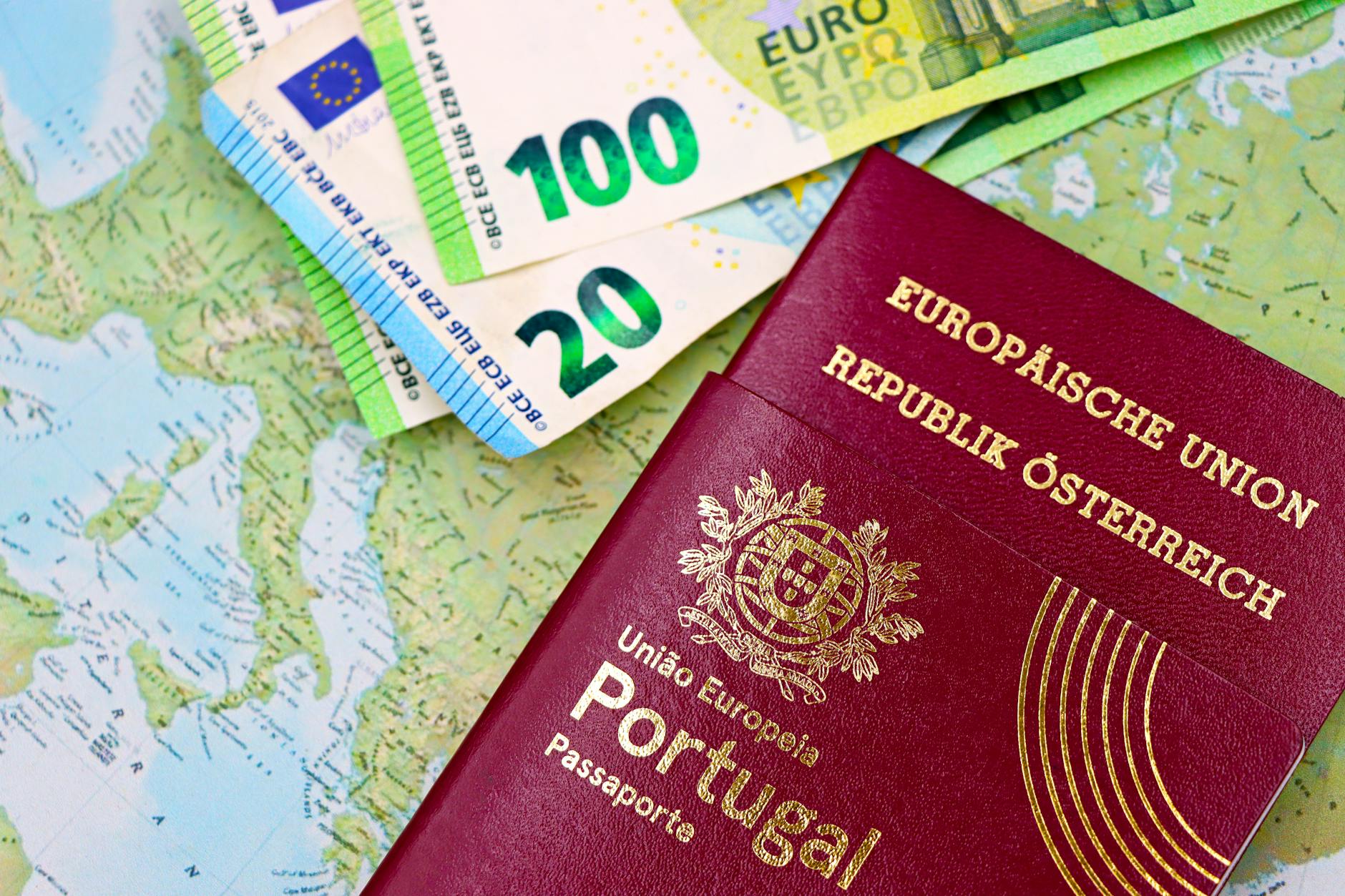
Photo by Marta Branco on Pexels
Must-Visit Places in Vietnam
Hanoi, the capital city of Vietnam, is a must-visit destination for any traveler. The Old Quarter, a maze of narrow streets and ancient architecture, is a sensory feast. Here, you'll find a rich history, vibrant culture, and mouth-watering street food. Be sure to explore the Old Quarter's Dong Xuan Market, which has been in operation since the 19th century, selling everything from fresh produce to local handicrafts.
Located just a few hours northeast of Hanoi, Ha Long Bay is a stunning natural wonder. This UNESCO World Heritage Site is home to over 1,600 limestone islands and islets, rising dramatically out of the emerald green waters of the Gulf of Tonkin. Take a traditional wooden junk boat tour to explore the hidden caves, grottos, and untouched beaches of this breathtaking destination. Be sure to book a reputable tour operator to ensure a safe and sustainable experience.
For a truly unforgettable experience, visit the famous Sung Sot Cave, also known as the Surprising Cave, located on the largest island in Ha Long Bay. This stunning cave features a cavernous interior with towering ceilings and breathtaking views of the surrounding islands. Don't miss the opportunity to take a kayak or paddleboard tour to explore the bay's hidden coves and inlets.
Discovering Ho Chi Minh City's History and Culture
Ho Chi Minh City, formerly known as Saigon, is a city steeped in history and culture. Visit the War Remnants Museum to learn about the tumultuous past of Vietnam, from the French colonial era to the American War. Be sure to explore the Notre Dame Cathedral, a beautiful example of French colonial architecture, and the nearby Central Post Office, a stunning example of early 20th-century architecture.
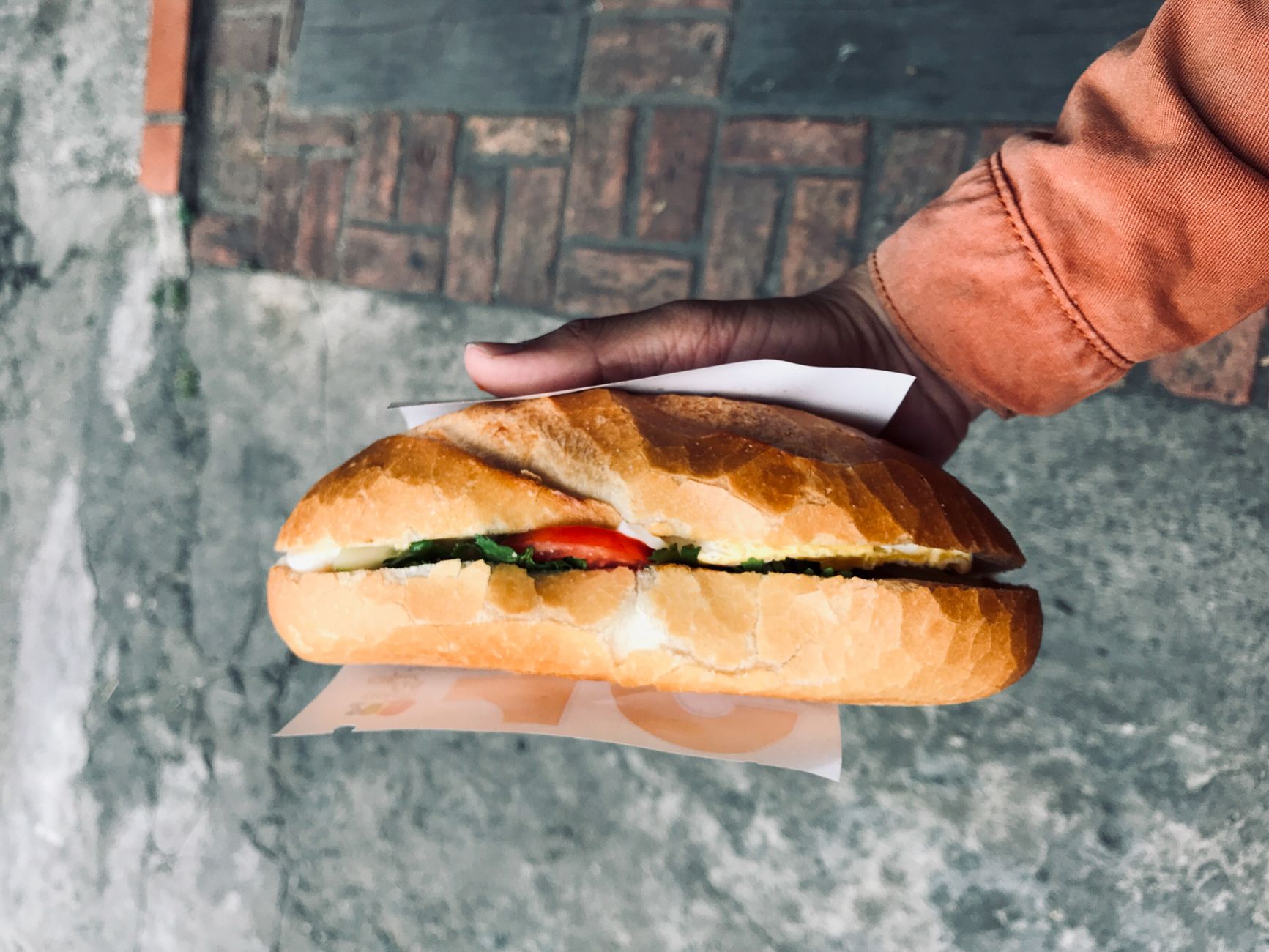
For a deeper understanding of Vietnamese culture, visit the Museum of Vietnamese History, which features an extensive collection of artifacts and exhibits showcasing the country's rich cultural heritage. Don't miss the opportunity to try some of the city's famous street food, including Banh Mi and Goi Cuon, at one of the many bustling street markets.
Visit the Cu Chi Tunnels, a network of underground tunnels and bunkers used during the American War, to gain a deeper understanding of the country's tumultuous past. Take a guided tour to explore the tunnels and learn about the bravery and ingenuity of the Vietnamese people who built this elaborate network.
Visiting the Stunning Natural Beauty of Ha Giang
Located in the far north of Vietnam, Ha Giang is a stunning region of towering mountains, rolling hills, and lush forests. Visit the stunning Dong Van Plateau, a UNESCO Global Geopark, to experience the breathtaking natural beauty of this region. Hire a reputable motorbike tour operator to explore the region's scenic routes and stunning landscapes.
For a truly unforgettable experience, visit the stunning Ma Pi Leng Pass, a scenic mountain pass with breathtaking views of the surrounding countryside. Take a guided trek to explore the region's stunning landscapes, including the Nho Que River and the Meo Vac Valley.
Visit the Meo Vac Market, a vibrant marketplace where you can try local delicacies and buy handmade crafts and souvenirs. Be sure to try some of the region's famous delicacies, including grilled wild boar and smoked buffalo meat, at one of the many local restaurants.
Vietnamese Cuisine and Drinks
Introduction to Popular Vietnamese Dishes (Pho, Banh Mi, Goi Cuon)
Pho, a popular Vietnamese noodle soup, is a must-try dish when traveling to Vietnam. This staple originates from the north and typically consists of beef or chicken broth, rice noodles, herbs, and your choice of beef (rare, well-done, or brisket). Each region in Vietnam has its unique twist on the classic pho recipe, so be sure to try the variations when you visit different parts of the country. For example, Pho Hanoi in Hanoi is a must-visit for its rich beef broth and slow-cooked beef slices.
Banh Mi, a type of Vietnamese sandwich, is another popular dish that has gained international recognition. This fusion of French and Vietnamese cuisines typically consists of a crispy baguette, various fillings such as grilled pork, chicken, or tofu, pickled vegetables, and herbs. Banh Mi in Ho Chi Minh City is particularly renowned for its authentic flavors and generous portions. Try Banh Mi 37, a local favorite that has been featured in various food publications.
Goi Cuon, also known as spring rolls, is a classic Vietnamese appetizer made from shrimp, pork, vegetables, and rice noodles wrapped in rice paper. These refreshing rolls are typically served with a sweet and spicy sauce for dipping. For a truly authentic experience, try Goi Cuon at a street food stall or local market, where you can watch the vendors expertly assemble the rolls.
Drinking Culture in Vietnam (Beer, Coffee, Fresh Coconut Water)
Beer is an integral part of Vietnamese culture, with Bia Hanoi and Bia Saigon being two of the most popular beer brands in the country. Vietnam also has a thriving craft beer scene, with local breweries such as Bia Ta and Bia Viet offering a wide range of flavors and styles. Visit the Bia Hanoi brewery in Hanoi to learn about the brewing process and sample some of their award-winning beers.
Coffee is another beloved drink in Vietnam, with a rich history dating back to the French colonial era. Vietnamese coffee, also known as "ca phe", is typically brewed in a small metal filter called a phin and served over ice. Try a traditional Vietnamese coffee at a local cafe, where you can watch the barista expertly brew the coffee.
Fresh coconut water is a refreshing and healthy drink that is widely available in Vietnam. Coconut trees are ubiquitous in the country, and you can find vendors selling fresh coconut water at street food stalls, markets, and even along the beach. For a truly authentic experience, try fresh coconut water at a local coconut farm or workshop, where you can learn about the cultivation and harvesting process.
Tips for Eating Street Food and Fresh Fruits Safely
When eating street food, make sure to choose vendors with high turnover and a clean food preparation area. Look for vendors with a high rating on apps like Foody or Hungry Go Where, and avoid eating from stalls with a low turnover or poor hygiene.
When eating fresh fruits, choose fruits that are ripe and have no visible bruises or blemishes. Wash the fruits thoroughly with clean water before consuming them, and avoid eating fruits that have been left out in the open for too long. For example, wash the fresh coconuts with soap and water before opening them, and consume them within a day or two for maximum freshness and safety.
Finally, always eat at vendors or stalls that have a clear menu and prices displayed. This ensures that you know what you're getting and can avoid any potential health risks. Additionally, consider eating at vendors that have a "sanitation certificate" displayed, which indicates that they have passed a health and safety inspection.
Safety and Health Precautions in Vietnam
Understanding Vietnam's Medical System and Health Insurance
Vietnam's medical system can be quite complex, especially for foreign visitors. It's essential to have a basic understanding of the system and the types of medical facilities available. Major cities like Hanoi and Ho Chi Minh City have well-equipped hospitals with international standards, such as the Vinmec Central Park International Hospital in Hanoi, which offers quality medical care and has a team of English-speaking doctors.
However, in rural areas, healthcare facilities are often limited, and medical staff may not speak English. In such cases, it's crucial to carry a translation card or a portable Wi-Fi translator device to facilitate communication. Vietnam requires visitors to have health insurance that covers at least $50,000 in medical expenses, as per the government's regulations.
Visitors can purchase travel insurance policies that cover medical evacuations, hospital stays, and other related expenses. Companies like Allianz Global Assistance and AXA Travel Insurance offer affordable plans that cater to travelers' needs. It's also a good idea to pack essential medications, vaccinations, and a first-aid kit to stay prepared for any medical emergencies.
Protecting Yourself from Scams, Pickpocketing, and Petty Theft
Scams, pickpocketing, and petty theft are common issues that visitors to Vietnam should be aware of. One of the most prevalent scams is the motorbike taxi scam, where a motorbike driver agrees to take you to a destination but instead drops you off at a nearby ATM to withdraw cash. Be cautious of suspicious characters approaching you in crowded areas and avoid giving out your valuables or personal data to strangers.
To minimize the risk of pickpocketing, keep your valuables secure and be mindful of your surroundings. Use money belts, ziplock bags, and secure luggage to prevent theft. Petty theft can be a problem in tourist areas, so avoid carrying large amounts of cash and use reputable taxi services like Grab or Go-Van.
It's also essential to be aware of Vietnam's strict traffic laws and regulations. Motorbike accidents are common, so wear a helmet at all times and follow local traffic rules to avoid fines and penalties. If you're involved in an accident, report it to the police immediately and seek medical attention if necessary.
Staying Safe and Healthy while Traveling in Vietnam
Vietnam's hot and humid climate can be challenging for some travelers, especially those with pre-existing medical conditions. Stay hydrated by drinking plenty of water, and avoid eating undercooked meat or seafood. Make sure to wash your hands frequently with soap and water, especially before eating.
Protect yourself from the scorching sun by wearing sunscreen, hats, and sunglasses. When visiting temples or mosques, dress modestly to respect local customs and avoid offending locals. Follow local health guidelines, such as wearing a mask during peak pollution hours, to stay safe and healthy.
Finally, be mindful of your physical and mental well-being. Vietnam's chaotic traffic and crowded streets can be overwhelming, so take breaks when needed and prioritize self-care. With proper planning, precautions, and awareness, you can have a safe and enjoyable trip to Vietnam.
Transportation and Getting Around in Vietnam
When it comes to getting around Vietnam, there are several options available to suit various budgets and preferences. One popular choice is to hail a taxi or use ride-hailing apps like Grab or Go-Van. These services are widely available in cities like Hanoi, Ho Chi Minh City, and Da Nang, with many drivers speaking some English. However, be aware that metered taxis can be hard to come by, so it's often necessary to negotiate a fixed price beforehand.
For shorter journeys, motorbike rentals are also a viable option. Many companies offer automatic or semi-automatic bikes for around 150,000-200,000 VND (6-8 USD) per day. This allows you to explore the countryside at your own pace and take in the scenic views. Just be sure to wear a helmet and stay alert on the roads, as traffic can be chaotic, particularly during peak rush hour times.
Additionally, many hotels and hostels offer free shuttle services to nearby attractions or airports. It's worth taking advantage of these services, especially if you're traveling with a lot of luggage or aren't familiar with the local transportation system.
Using Taxis, Ride-Hailing Apps, and Motorbike Rentals
Another option for getting around cities is to use ride-hailing apps like Grab or Go-Van. These services are available 24/7 and can be especially useful for nighttime travel when taxis are harder to come by. Many drivers speak some English, but it's still a good idea to learn a few key Vietnamese phrases to help navigate the journey.
Ride-hailing apps often offer discounts for regular users, so it's worth signing up for their loyalty programs. Additionally, many services allow you to pay with credit or debit cards, making it easier to stay on top of your expenses.
Just be aware that prices can vary depending on traffic and demand, so it's a good idea to check the estimated fare before confirming your ride. Some popular ride-hailing services in Vietnam include Grab, Go-Van, and FastGo.
Taking Domestic Flights and Long-Distance Buses
For longer journeys, domestic flights are a convenient option, with many airlines offering connections between major cities like Hanoi, Ho Chi Minh City, and Da Nang. Popular airlines include Vietnam Airlines, Vietjet Air, and Jetstar Pacific. Domestic flights typically take around 1-3 hours, depending on the route.
Another option for long-distance travel is to take a bus. Companies like Futa Bus and Hoang Long Bus offer comfortable and affordable services, with prices starting from around 100,000-200,000 VND (4-8 USD). Long-distance buses can take anywhere from 4-12 hours, depending on the route and traffic conditions.
When taking a bus, be sure to check the route and schedule in advance to avoid any last-minute changes or delays. It's also a good idea to pack snacks and water, as meal options can be limited during longer journeys.
Navigating Vietnam's Railway System
Vietnam's railway system is a scenic and affordable way to travel between major cities. The Reunification Express, which runs from Hanoi to Ho Chi Minh City, takes around 30-40 hours and passes through the stunning Ha Long Bay and the scenic Mekong Delta. Prices start from around 1-3 million VND (40-120 USD) for a one-way ticket.
Air-conditioned coaches are available on major routes, making the journey more comfortable. However, be aware that on overnight trains, bedding and meals are not always provided, so it's a good idea to bring your own.
Booking tickets in advance is recommended, especially during peak travel seasons like Tet or summer holidays. You can book tickets online or at train stations, but be aware that prices may increase closer to departure dates.

Photo by Quang Nguyen Vinh on Pexels
Frequently Asked Questions
Travel Vietnam FAQs
Is Vietnam a safe country to visit?
Vietnam is generally a safe country to visit, with low crime rates compared to other Southeast Asian countries. However, petty theft and scams can occur, especially in crowded areas and tourist hotspots. Take the usual precautions to stay safe, such as keeping valuables secure and being mindful of your surroundings.
Do I need a visa to travel to Vietnam?
Citizens of many countries, including the US, UK, and Australia, can obtain an e-visa online before arriving in Vietnam. Others may need to apply for a visa at a Vietnamese embassy or consulate. Check the official Vietnamese government website for the latest visa requirements and regulations.
What is the best time to visit Vietnam?
The best time to visit Vietnam depends on the region. The north is best visited in the spring (March to May) and autumn (September to November), while the central and southern regions are best visited during the dry season (December to April). Summer can be hot and humid, while the rainy season (May to September) can be wet and less touristy.
Can I drink the tap water in Vietnam?
No, it's not recommended to drink tap water in Vietnam. Tap water is often untreated and may contain bacteria, viruses, and other contaminants that can cause waterborne illnesses. Stick to bottled or filtered water, and avoid ice cubes made from tap water to minimize your risk of getting sick.
How can I stay healthy while traveling in Vietnam?
To stay healthy while traveling in Vietnam, make sure to eat well-cooked food, avoid undercooked meat and seafood, and drink bottled or filtered water. Wash your hands frequently, especially before eating, and avoid touching your face. Consider getting vaccinated against diseases such as hepatitis A and typhoid fever before your trip. Bring any necessary medications and consult with your doctor about staying healthy while abroad.
``` **Schema Markup** ```html