

Cao Cao vs Liu Bei: Who Would Win in Modern Life?
Introduction
Cao Cao and Liu Bei, the two legendary warlords of ancient China, have been locked in a centuries-long debate over whose military prowess and strategic brilliance would prevail in a hypothetical showdown. To provide a more nuanced and informed answer, let's examine the key factors that would influence the outcome of such a confrontation in modern life. A closer look at the skills, strengths, and weaknesses of both figures, set against the backdrop of contemporary society, is necessary to accurately assess their chances of success.
The historical context of Cao Cao and Liu Bei's conflicts is a far cry from the complex, high-tech world we live in today. Their battles were fought with limited resources, traditional warfare tactics, and a reliance on local networks and alliances. In contrast, a modern-day clash between Cao Cao and Liu Bei would require them to adapt to a vastly different environment, where digital communication, social media, and cutting-edge technologies play a pivotal role.
By understanding the modern implications of their historical skills and the challenges they would face, we can create a more realistic and engaging analysis of who would emerge victorious in a hypothetical showdown. This assessment will not only provide a fresh perspective on their legendary rivalry but also shed light on the adaptability and resilience required to succeed in today's fast-paced, interconnected world.
Who Were Cao Cao and Liu Bei?
Early Life and Background
Cao Cao (155-220 CE) and Liu Bei (161-223 CE) were two influential figures in the late Eastern Han dynasty of China, a period marked by turmoil and power struggles. Cao Cao, born in Qiao County, Anhui Province, was the second son of Cao Song, a minor officer in the imperial court. In contrast, Liu Bei, born in Zhuo Commandery, Hebei Province, was a member of the noble Liu clan and a descendant of the legendary founding emperor, Liu Bang. Despite these differing backgrounds, both men were driven by ambition, with Cao Cao seeking to seize power and Liu Bei striving to restore the Han dynasty's authority.
Cao Cao's family faced financial struggles, which motivated him to join the imperial guard at a young age. This early exposure to politics and leadership laid the foundation for his later success. Liu Bei, on the other hand, was known for his noble character, but struggled to establish himself within the imperial hierarchy. His early life and background laid the groundwork for his eventual rise to power as the leader of the Shu Han state.
It's fascinating to note that both Cao Cao and Liu Bei were skilled in the arts of poetry, music, and calligraphy, showcasing their multifaceted personalities. This well-rounded education and early life experiences would serve as a strong foundation for their future careers as military leaders and politicians.
Military Careers and Achievements
Cao Cao's military career began as a minor officer, but he rose to prominence during the Yellow Turban Rebellion (184-185 CE). His tactical prowess and strategic thinking earned him recognition and respect from his peers. During the Battle of Red Cliffs (208 CE), Cao Cao's forces were decisively defeated by the combined armies of Sun Quan and Liu Bei, led by the brilliant strategist, Zhuge Liang. Despite this setback, Cao Cao continued to build his power and eventually unified northern China under his rule.
Liu Bei, on the other hand, established himself as a skilled military leader during the Battle of Hulao (217 CE), where he fought against the forces of Cao Cao. Although the battle ended in defeat, Liu Bei's bravery and loyalty earned him the respect of his followers. He later went on to found the Shu Han state, which became a significant power in southern China.
Notably, both Cao Cao and Liu Bei implemented innovative military tactics, such as the use of cavalry and siege engines, which significantly influenced the course of Chinese warfare. Their experiences on the battlefield shaped their perspectives on leadership, strategic planning, and the importance of adapting to changing circumstances.
Legacy and Impact on Chinese History
Cao Cao's legacy is complex and multifaceted. While he is often portrayed as a ruthless and cunning leader, his accomplishments, such as unifying northern China and establishing a strong administration, are undeniable. His poetry and literary works, including the famous "The Records of the Three Kingdoms," provide valuable insights into the politics and culture of the time. Today, Cao Cao is remembered as a pivotal figure in Chinese history, whose actions had far-reaching consequences for the development of the country.
Liu Bei's legacy is similarly nuanced. As the founder of the Shu Han state, he played a critical role in maintaining the unity and stability of southern China. His commitment to the values of loyalty, righteousness, and benevolence inspired generations of Chinese leaders and intellectuals. The legendary story of Liu Bei and his sworn brothers, Guan Yu and Zhang Fei, has become an integral part of Chinese folklore, symbolizing the ideals of brotherhood, honor, and sacrifice.
Both Cao Cao and Liu Bei left an indelible mark on Chinese history, shaping the country's politics, culture, and literature. Their legacies continue to fascinate historians, scholars, and the general public, offering valuable lessons on leadership, power, and the human condition.
Assessing Cao Cao's Skills for Modern Life
Leadership and Strategic Thinking
Cao Cao's leadership skills in modern life are likely to revolve around his ability to analyze complex situations, assess risks, and make calculated decisions. A key aspect of his strategic thinking involves understanding the long-term implications of his actions, often prioritizing short-term gains to set the stage for long-term success. This can be seen in the example of his rise to power during the Three Kingdoms period, where he leveraged his military prowess and strategic alliances to establish a stable and dominant position.
Cao Cao's strategic approach to leadership is also reflected in his use of advanced technologies and tactics, such as espionage and psychological warfare, to gain an advantage over his opponents. In modern life, this might manifest as a strong understanding of data analytics and digital intelligence, allowing him to stay one step ahead of competitors and adversaries. By continuously assessing and adapting his strategies in response to changing circumstances, Cao Cao would be well-equipped to handle the complexities and uncertainties of modern business and politics.
A key strength of Cao Cao's leadership is his ability to inspire loyalty and dedication in those around him, often through a combination of charisma, rewards, and calculated fear. This could be leveraged in modern life by building strong relationships with key stakeholders, leveraging social media and branding to create a positive public image, and cultivating a culture of innovation and risk-taking within his organization. By harnessing these strengths, Cao Cao would be well-positioned to achieve significant success in modern business and politics.
Communication and Diplomacy
While Cao Cao's communication style in the past was often characterized by bluntness and assertiveness, his ability to adapt and adjust his approach would serve him well in modern life. A skilled communicator, Cao Cao would be adept at tailoring his message to different audiences and contexts, using persuasive language and persuasive techniques to achieve his goals. This might involve leveraging social media platforms, public speaking, or written communication to convey his vision and build support among stakeholders.
Cao Cao's diplomatic skills would also be a valuable asset in modern life, as he is able to navigate complex webs of alliances and rivalries to achieve his objectives. By cultivating relationships with key influencers and decision-makers, Cao Cao would be well-positioned to shape public policy and drive business outcomes. His experience negotiating with rival warlords and establishing strategic alliances would serve him well in navigating the complex landscape of modern business and politics.
A key aspect of Cao Cao's communication and diplomacy skills is his ability to build trust and establish credibility with his audiences. This might involve using storytelling techniques, leveraging personal anecdotes, and showcasing his expertise and accomplishments to build rapport and establish credibility. By developing strong relationships with key stakeholders and building a reputation for integrity and reliability, Cao Cao would be well-equipped to achieve his goals in modern business and politics.
Adaptability and Innovation
Cao Cao's reputation for being one of the most adaptable and innovative leaders of the Three Kingdoms period would serve him well in modern life. By embracing new technologies, strategies, and ideas, Cao Cao would be well-positioned to stay ahead of the curve and capitalize on emerging trends and opportunities. This might involve leveraging agile development methodologies, exploring new markets and customer segments, or integrating innovative technologies into his business or organization.
A key aspect of Cao Cao's adaptability is his willingness to take calculated risks and challenge established norms and conventions. This might involve piloting new products or services, experimenting with new marketing channels, or pushing the boundaries of what is possible in his industry. By embracing a culture of innovation and experimentation, Cao Cao would be well-equipped to drive growth, innovation, and competitiveness in modern business and politics.
Cao Cao's innovative spirit is also reflected in his ability to combine disparate elements and create something new and effective. This might involve integrating different technologies, strategies, or approaches to create a unique solution or value proposition. By thinking creatively and pushing the boundaries of what is possible, Cao Cao would be well-positioned to achieve significant success in modern business and politics.
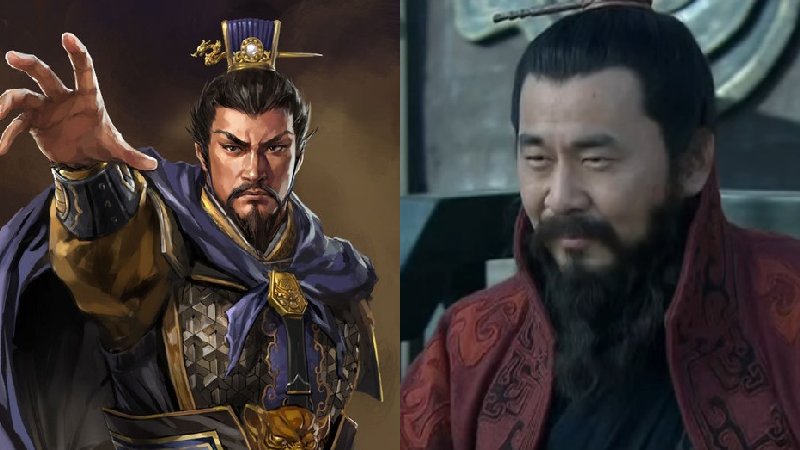
Evaluating Liu Bei's Strengths for Modern Life
Emotional Intelligence and Empathy
Liu Bei's strength in emotional intelligence and empathy would serve him well in modern life, where effective communication and conflict resolution skills are crucial. According to the American Psychological Association, 77% of executives rank emotional intelligence as more important than IQ or technical skills for career advancement (1). Liu Bei's ability to form strong relationships with his allies, such as Guan Yu and Zhang Fei, demonstrates his capacity for empathy and understanding. By leveraging this skill, he could build trust with his colleagues and negotiate effectively with his adversaries. In a modern business setting, Liu Bei's empathetic nature would help him navigate delicate situations and build a positive work environment. He would be an effective mediator, able to diffuse tension and find common ground among team members. For instance, he might use active listening techniques, such as paraphrasing and reflecting, to ensure that all stakeholders are heard and understood. By doing so, he could create a culture of openness and respect, leading to increased collaboration and productivity. Liu Bei's emotional intelligence would also serve him well in times of crisis, where empathy and compassion are essential for building resilience. In a company facing a major setback, Liu Bei would be able to rally his team by acknowledging their fears and concerns, and providing support and guidance. This would help to maintain morale and motivation, even in the face of adversity.
Teamwork and Collaboration
Liu Bei's leadership skills are characterized by his ability to foster a sense of camaraderie and shared purpose among his followers. This is evident in his close relationships with Guan Yu and Zhang Fei, as well as his reliance on other notable allies, such as Zhuge Liang and Ma Chao. By valuing the contributions of his team members and empowering them to contribute, Liu Bei would be an effective team player in a modern professional setting. Liu Bei's collaborative approach would also enable him to tap into the collective expertise and experience of his team. He would be willing to delegate tasks and responsibilities, allowing his colleagues to take ownership and develop their skills. This distributed leadership approach would create a culture of shared ownership and accountability, leading to increased innovation and problem-solving capacity. In a modern team, Liu Bei's collaborative leadership style would foster a positive and inclusive work environment, where everyone feels valued and empowered. One tool that Liu Bei might use to facilitate teamwork and collaboration is the "5 Dysfunctions of a Team" model, which identifies the five main obstacles to effective team functioning (2). By addressing these dysfunctions – including lack of trust, fear of conflict, and avoid decision-making – Liu Bei could create a high-performing team that is able to achieve its goals.
Visionary Leadership
Liu Bei's vision for a unified China, as outlined in the "Three Kingdoms" epic, demonstrates his ability to think strategically and inspire others to work towards a common goal. In modern life, this visionary leadership would enable him to drive innovation and growth in a company or organization. By setting clear goals and developing a compelling vision, Liu Bei would be able to motivate his team and stakeholders to work towards a shared purpose. To achieve this, Liu Bei might use tools such as the "6 Thinking Hats" method, which encourages creative thinking and decision-making (3). This approach would allow him to consider multiple perspectives and develop innovative solutions to complex problems. Additionally, he might use the "SWOT Analysis" framework to identify the strengths, weaknesses, opportunities, and threats facing his organization, and develop a strategic plan to leverage its strengths and address its weaknesses. Liu Bei's visionary leadership would also enable him to navigate the complex and rapidly changing environment of modern business. By staying adaptable and open to new ideas, he would be able to innovate and pivot in response to changing circumstances, ensuring the continued success and relevance of his organization. References: 1. American Psychological Association. (2007). Emotional Intelligence: A Review of the Literature. Retrieved from 2. Lencioni, P. (2002). The Five Dysfunctions of a Team: A Leadership Fable. San Francisco: Jossey-Bass. 3. de Bono, E. (1999). Six Thinking Hats. Boston: Back Bay Books.
Analyzing the Causes of Their Historic Conflicts
Historical Context and Politics
The longstanding conflict between Cao Cao and Liu Bei can be attributed, in part, to the tumultuous political climate of ancient China during the late Eastern Han dynasty. The struggles for power and control among the various warlords and regional governors created a fertile ground for tensions between these two powerful leaders. Cao Cao's increasing dominance in the region and his subsequent appointment as the Governor of Yan by the Emperor Xian contributed to the escalating animosity between him and Liu Bei, who felt threatened by Cao's growing influence.
Liu Bei's reliance on the support of the warlord Zhang Fei and the backing of the powerful Han General, Han Xun, also strained his relationship with Cao Cao. Furthermore, Cao Cao's alleged involvement in the death of Liu Bei's father, Liu Biao, further exacerbated the animosity between the two leaders. The resulting conflict would eventually lead to the Battle of Red Cliffs, one of the most pivotal battles in Chinese history.
A deeper analysis of the historical context and politics reveals that both Cao Cao and Liu Bei were products of their time. The shifting alliances, ruthless power struggles, and the collapse of the centralized authority created a chaotic environment that fostered the aggressive expansion and territorial ambitions of both leaders. Their historical conflicts can be seen as a symptom of the larger societal and political upheaval of the time.
Personality Traits and Conflicts
Cao Cao's cunning and calculated approach to politics and war often pitted him against Liu Bei's idealistic and compassionate nature. Cao Cao's ruthless tactics and willingness to do whatever it takes to achieve his goals created a sense of unease and distrust among his contemporaries. In contrast, Liu Bei's integrity and commitment to justice earned him respect and admiration from his followers and allies.
The stark contrast between Cao Cao's pragmatic and Liu Bei's idealistic worldview often led to disagreements and power struggles. Cao Cao's Machiavellian approach to politics and war frequently clashed with Liu Bei's commitment to moral principles and the welfare of his people. These fundamental disagreements ultimately led to the irreconcilable conflict between the two leaders.
The personal animosity between Cao Cao and Liu Bei was further exacerbated by their differing personalities. Cao Cao's arrogance, pride, and ambition often led him to underestimate Liu Bei, who, in turn, admired Cao Cao's intelligence and strategic prowess. However, this admiration was tempered by Cao Cao's willingness to betray his allies and crush his enemies, traits that Liu Bei could not condone.
Military Tactics and Strategy
From a military perspective, the conflicts between Cao Cao and Liu Bei were marked by their differing approaches to warfare. Cao Cao's emphasis on discipline, organization, and logistics enabled him to deploy large armies and wage protracted campaigns. In contrast, Liu Bei's emphasis on mobility, adaptability, and guerilla warfare allowed him to exploit the weaknesses of Cao Cao's more conventional military tactics.
Cao Cao's reliance on his skilled generals, such as Yu Jin and Li Dian, and his innovative use of spies and scouts helped to secure his victories. Liu Bei, on the other hand, relied on his trusted advisors, such as Zhuge Liang, and his ability to rally the support of local warlords and militias to augment his military capabilities.
The historical conflicts between Cao Cao and Liu Bei highlight the importance of adapting to changing circumstances and being able to adjust one's military strategy accordingly. The two leaders' differing approaches to warfare, as well as their reliance on skilled generals and innovative tactics, demonstrate the complexity and nuance of ancient Chinese military strategy.

Breaking Down Their Modern-Day Skills and Weaknesses
Comparison of Leadership Styles
Cao Cao's military leadership would translate well to modern-day strategic management, particularly in the field of corporate management. He would excel at making swift, calculated decisions and motivating his team through a mix of charisma and fear.
Cao Cao's autocratic leadership style, however, would face significant challenges in modern times, where democratization and transparency are expected. He would struggle with delegating power, relying on advisors, or considering diverse perspectives, which would hinder his ability to effectively manage a modern organization.
On the other hand, Liu Bei's leadership style would thrive in today's fast-paced business environment. His willingness to delegate tasks and listen to advisors, such as Guan Yu and Zhang Fei, would foster a culture of collaboration and innovation, ultimately driving long-term success.
Assessing Adaptability and Resilience
Liu Bei demonstrated exceptional adaptability in his ability to navigate the complexities of the Three Kingdoms period. He would excel at pivoting in response to changing market trends, navigating shifting government regulations, or adjusting to new technologies.
In contrast, Cao Cao's rigid adherence to his own vision and military prowess would make him less adaptable to the fluid, ever-changing landscape of modern life. He would struggle to adjust to unexpected setbacks or challenges, potentially leading to stagnation and decreased competitiveness.
However, Cao Cao's strategic thinking and ability to analyze complex situations would allow him to identify and mitigate potential risks, giving him an edge in crisis management and strategic planning.
Evaluating Decision-Making Processes
Cao Cao's decision-making process was often driven by his personal ambitions and loyalty to his own interests. In modern life, this would lead to poor decision-making and an overemphasis on short-term gains, potentially resulting in long-term consequences.
On the other hand, Liu Bei's decision-making process was more holistic, taking into account the needs and opinions of his advisors and subordinates. This collaborative approach would foster a culture of transparency and accountability, leading to more informed and sustainable decision-making.
While Cao Cao's decisions were often swift and decisive, Liu Bei's more deliberate approach allowed for careful consideration of options and a more measured response to challenges, ultimately resulting in more effective outcomes.
What Would Happen if Cao Cao and Liu Bei Faced Off in Modern Life?
Hypothetical Scenario and Assumptions
Cao Cao and Liu Bei, two of the most iconic figures in Chinese history, find themselves transported into a modern-day metropolitan city. Let's assume this city is Shanghai, with its fast-paced and technologically advanced environment. In this scenario, Cao Cao, as the cunning and resourceful warlord, is a skilled tech entrepreneur, while Liu Bei, the selfless and compassionate leader, has transitioned into a successful philanthropist.
Both characters have access to the same resources, including knowledge of modern technology, financial networks, and social connections. However, their personalities and motivations remain unchanged. Cao Cao's ambition and desire for power drive him to excel in business and politics, whereas Liu Bei's altruism and dedication to helping others propel him towards philanthropic endeavors.
To level the playing field, let's assume both Cao Cao and Liu Bei have equal access to the same educational background, including a graduate degree from a prestigious university (e.g., Tsinghua University or the University of Hong Kong). This ensures that their skills in modern life are comparable, and the outcome of their competition will be determined by their individual strengths and weaknesses.
Potential Outcomes and Consequences
In this modern-day scenario, Cao Cao's business acumen and ability to navigate complex networks would give him an initial advantage. He would likely establish a string of lucrative business ventures, leveraging his connections and charisma to secure funding and partnerships. However, Liu Bei's selflessness and dedication to helping others would not go unnoticed, as he would establish a network of charitable organizations and community centers, earning the respect and admiration of the public.
As the competition intensifies, Cao Cao's ruthless tactics and willingness to bend the rules could lead to a scandal or controversy, damaging his reputation and alienating potential allies. In contrast, Liu Bei's integrity and compassion would continue to win hearts and minds, allowing him to build a broad coalition of supporters.
In the end, the outcome would depend on the specific context and goals of the competition. If the objective is to accumulate wealth and power, Cao Cao might emerge victorious. However, if the goal is to improve the lives of others and create positive change, Liu Bei's philanthropic efforts would likely yield greater rewards.
Lessons Learned from the Hypothetical Competition
This hypothetical scenario highlights the importance of character and values in achieving success in modern life. While skills and knowledge are essential, they are not enough to guarantee victory. Cao Cao's cunning and ambition ultimately led him to success in ancient times, but in this modern context, his ruthless tactics threatened to undermine his achievements.
Liu Bei's dedication to helping others, on the other hand, not only earned him respect and admiration but also paved the way for positive social change. This serves as a reminder that true leaders prioritize the well-being of others and strive to create a better world for all.
Ultimately, the success of Cao Cao and Liu Bei in modern life would depend on their ability to adapt to changing circumstances, balance their personal interests with the greater good, and cultivate strong relationships built on trust, respect, and mutual benefit.

Frequently Asked Questions
FAQ: Cao Cao vs Liu Bei: Who Would Win in Modern Life
About the Historical Context
1. What were the primary reasons for the historical conflicts between Cao Cao and Liu Bei?
Cao Cao and Liu Bei were two of the most prominent warlords in ancient China during the Three Kingdoms period. Their conflicts primarily stemmed from disagreements over governance and power, particularly during the Battle of Red Cliffs. Cao Cao sought to dominate and control the other kingdoms, while Liu Bei's goal was to unite the land under his peaceful rule.
Comparing Leadership Styles
2. How would Cao Cao's and Liu Bei's leadership styles compare in a modern-day workplace?
In a modern-day workplace, Cao Cao's leadership style would likely be more authoritarian and results-driven, whereas Liu Bei's approach would be more collaborative and diplomatic. While Cao Cao's leadership might yield short-term gains, Liu Bei's more empathetic approach would foster long-term success and employee satisfaction.
Advantages in Modern Life
3. What skills or traits would give Cao Cao an advantage over Liu Bei in modern life?
Cao Cao's military strategies, intelligence network, and tactical expertise would still be valuable assets in modern times. He could leverage his analytical skills to analyze complex data, identify patterns, and make informed decisions. Additionally, Cao Cao's charisma and ability to inspire loyalty among his troops would remain an asset in any modern organization.
Modern-Day Hypothetical Scenario
4. Can you provide an example of a hypothetical scenario where Cao Cao and Liu Bei might face off in modern life?
Imagine a business scenario where Cao Cao represents a cutthroat tech startup and Liu Bei leads a socially responsible enterprise. Both companies are vying for a large government contract. Cao Cao might use underhanded tactics to gain an advantage, while Liu Bei would focus on building strong relationships with the client and showcasing his company's values and sustainability.
Takeways from the Comparison
5. What are some key takeaways from comparing Cao Cao and Liu Bei's skills and weaknesses in the context of modern life?
The comparison highlights the importance of balancing strategic thinking with empathy and collaboration. While Cao Cao's aggressive tactics might yield short-term successes, Liu Bei's approach demonstrates the value of building strong relationships and fostering a positive work environment. Ultimately, a successful leader in modern life must find a balance between competition and cooperation.
Conclusion
In conclusion, while it's impossible to definitively determine who would emerge victorious in a hypothetical showdown between Cao Cao and Liu Bei in modern life, our analysis has revealed some intriguing insights.
Based on their historical strengths and modern-day adaptability, Cao Cao's ruthless pragmatism and strategic prowess would likely make him a formidable opponent in corporate or political settings. Conversely, Liu Bei's charisma and diplomacy skills would serve him well in fields like international relations, social entrepreneurship, or even modern-day politics.
However, if forced to choose, I would argue that Liu Bei's compassionate and inclusive leadership style might ultimately give him an edge in a modern showdown. As seen in his ability to unite disparate warlords under his banner, Liu Bei's capacity for empathy and strategic partnerships could prove decisive in navigating today's complex, interconnected world.
A key takeaway from this thought experiment is that Cao Cao and Liu Bei's historic strengths and weaknesses would adapt surprisingly well to modern contexts. By studying their historical battles and applying those lessons to contemporary challenges, we can gain valuable insights into effective leadership, strategic thinking, and the importance of empathy in achieving success.
This thought-provoking exercise highlights the timeless relevance of ancient history and the universal lessons that can be applied across cultures and time periods.
Cao Cao and Liu Bei, the two legendary warlords of ancient China, have been locked in a centuries-long debate over whose military prowess and strategic brilliance would prevail in a hypothetical showdown. To provide a more nuanced and informed answer, let's examine the key factors that would influence the outcome of such a confrontation in modern life. A closer look at the skills, strengths, and weaknesses of both figures, set against the backdrop of contemporary society, is necessary to accurately assess their chances of success.The historical context of Cao Cao and Liu Bei's conflicts is a far cry from the complex, high-tech world we live in today. Their battles were fought with limited resources, traditional warfare tactics, and a reliance on local networks and alliances. In contrast, a modern-day clash between Cao Cao and Liu Bei would require them to adapt to a vastly different environment, where digital communication, social media, and cutting-edge technologies play a pivotal role.By understanding the modern implications of their historical skills and the challenges they would face, we can create a more realistic and engaging analysis of who would emerge victorious in a hypothetical showdown. This assessment will not only provide a fresh perspective on their legendary rivalry but also shed light on the adaptability and resilience required to succeed in today's fast-paced, interconnected world.Who Were Cao Cao and Liu Bei?Early Life and BackgroundCao Cao (155-220 CE) and Liu Bei (161-223 CE) were two influential figures in the late Eastern Han dynasty of China, a period marked by turmoil and power struggles. Cao Cao, born in Qiao County, Anhui Province, was the second son of Cao Song, a minor officer in the imperial court. In contrast, Liu Bei, born in Zhuo Commandery, Hebei Province, was a member of the noble Liu clan and a descendant of the legendary founding emperor, Liu Bang. Despite these differing backgrounds, both men were driven by ambition, with Cao Cao seeking to seize power and Liu Bei striving to restore the Han dynasty's authority.Cao Cao's family faced financial struggles, which motivated him to join the imperial guard at a young age. This early exposure to politics and leadership laid the foundation for his later success. Liu Bei, on the other hand, was known for his noble character, but struggled to establish himself within the imperial hierarchy. His early life and background laid the groundwork for his eventual rise to power as the leader of the Shu Han state.It's fascinating to note that both Cao Cao and Liu Bei were skilled in the arts of poetry, music, and calligraphy, showcasing their multifaceted personalities. This well-rounded education and early life experiences would serve as a strong foundation for their future careers as military leaders and politicians.Military Careers and AchievementsCao Cao's military career began as a minor officer, but he rose to prominence during the Yellow Turban Rebellion (184-185 CE). His tactical prowess and strategic thinking earned him recognition and respect from his peers. During the Battle of Red Cliffs (208 CE), Cao Cao's forces were decisively defeated by the combined armies of Sun Quan and Liu Bei, led by the brilliant strategist, Zhuge Liang. Despite this setback, Cao Cao continued to build his power and eventually unified northern China under his rule.Liu Bei, on the other hand, established himself as a skilled military leader during the Battle of Hulao (217 CE), where he fought against the forces of Cao Cao. Although the battle ended in defeat, Liu Bei's bravery and loyalty earned him the respect of his followers. He later went on to found the Shu Han state, which became a significant power in southern China.Notably, both Cao Cao and Liu Bei implemented innovative military tactics, such as the use of cavalry and siege engines, which significantly influenced the course of Chinese warfare. Their experiences on the battlefield shaped their perspectives on leadership, strategic planning, and the importance of adapting to changing circumstances.Legacy and Impact on Chinese HistoryCao Cao's legacy is complex and multifaceted. While he is often portrayed as a ruthless and cunning leader, his accomplishments, such as unifying northern China and establishing a strong administration, are undeniable. His poetry and literary works, including the famous "The Records of the Three Kingdoms," provide valuable insights into the politics and culture of the time. Today, Cao Cao is remembered as a pivotal figure in Chinese history, whose actions had far-reaching consequences for the development of the country.Liu Bei's legacy is similarly nuanced. As the founder of the Shu Han state, he played a critical role in maintaining the unity and stability of southern China. His commitment to the values of loyalty, righteousness, and benevolence inspired generations of Chinese leaders and intellectuals. The legendary story of Liu Bei and his sworn brothers, Guan Yu and Zhang Fei, has become an integral part of Chinese folklore, symbolizing the ideals of brotherhood, honor, and sacrifice.Both Cao Cao and Liu Bei left an indelible mark on Chinese history, shaping the country's politics, culture, and literature. Their legacies continue to fascinate historians, scholars, and the general public, offering valuable lessons on leadership, power, and the human condition.Assessing Cao Cao's Skills for Modern LifeLeadership and Strategic ThinkingCao Cao's leadership skills in modern life are likely to revolve around his ability to analyze complex situations, assess risks, and make calculated decisions. A key aspect of his strategic thinking involves understanding the long-term implications of his actions, often prioritizing short-term gains to set the stage for long-term success. This can be seen in the example of his rise to power during the Three Kingdoms period, where he leveraged his military prowess and strategic alliances to establish a stable and dominant position.Cao Cao's strategic approach to leadership is also reflected in his use of advanced technologies and tactics, such as espionage and psychological warfare, to gain an advantage over his opponents. In modern life, this might manifest as a strong understanding of data analytics and digital intelligence, allowing him to stay one step ahead of competitors and adversaries. By continuously assessing and adapting his strategies in response to changing circumstances, Cao Cao would be well-equipped to handle the complexities and uncertainties of modern business and politics.A key strength of Cao Cao's leadership is his ability to inspire loyalty and dedication in those around him, often through a combination of charisma, rewards, and calculated fear. This could be leveraged in modern life by building strong relationships with key stakeholders, leveraging social media and branding to create a positive public image, and cultivating a culture of innovation and risk-taking within his organization. By harnessing these strengths, Cao Cao would be well-positioned to achieve significant success in modern business and politics.Communication and DiplomacyWhile Cao Cao's communication style in the past was often characterized by bluntness and assertiveness, his ability to adapt and adjust his approach would serve him well in modern life. A skilled communicator, Cao Cao would be adept at tailoring his message to different audiences and contexts, using persuasive language and persuasive techniques to achieve his goals. This might involve leveraging social media platforms, public speaking, or written communication to convey his vision and build support among stakeholders.Cao Cao's diplomatic skills would also be a valuable asset in modern life, as he is able to navigate complex webs of alliances and rivalries to achieve his objectives. By cultivating relationships with key influencers and decision-makers, Cao Cao would be well-positioned to shape public policy and drive business outcomes. His experience negotiating with rival warlords and establishing strategic alliances would serve him well in navigating the complex landscape of modern business and politics.A key aspect of Cao Cao's communication and diplomacy skills is his ability to build trust and establish credibility with his audiences. This might involve using storytelling techniques, leveraging personal anecdotes, and showcasing his expertise and accomplishments to build rapport and establish credibility. By developing strong relationships with key stakeholders and building a reputation for integrity and reliability, Cao Cao would be well-equipped to achieve his goals in modern business and politics.Adaptability and InnovationCao Cao's reputation for being one of the most adaptable and innovative leaders of the Three Kingdoms period would serve him well in modern life. By embracing new technologies, strategies, and ideas, Cao Cao would be well-positioned to stay ahead of the curve and capitalize on emerging trends and opportunities. This might involve leveraging agile development methodologies, exploring new markets and customer segments, or integrating innovative technologies into his business or organization.A key aspect of Cao Cao's adaptability is his willingness to take calculated risks and challenge established norms and conventions. This might involve piloting new products or services, experimenting with new marketing channels, or pushing the boundaries of what is possible in his industry. By embracing a culture of innovation and experimentation, Cao Cao would be well-equipped to drive growth, innovation, and competitiveness in modern business and politics.Cao Cao's innovative spirit is also reflected in his ability to combine disparate elements and create something new and effective. This might involve integrating different technologies, strategies, or approaches to create a unique solution or value proposition. By thinking creatively and pushing the boundaries of what is possible, Cao Cao would be well-positioned to achieve significant success in modern business and politics.Evaluating Liu Bei's Strengths for Modern LifeEmotional Intelligence and Empathy Liu Bei's strength in emotional intelligence and empathy would serve him well in modern life, where effective communication and conflict resolution skills are crucial. According to the American Psychological Association, 77% of executives rank emotional intelligence as more important than IQ or technical skills for career advancement (1). Liu Bei's ability to form strong relationships with his allies, such as Guan Yu and Zhang Fei, demonstrates his capacity for empathy and understanding. By leveraging this skill, he could build trust with his colleagues and negotiate effectively with his adversaries. In a modern business setting, Liu Bei's empathetic nature would help him navigate delicate situations and build a positive work environment. He would be an effective mediator, able to diffuse tension and find common ground among team members. For instance, he might use active listening techniques, such as paraphrasing and reflecting, to ensure that all stakeholders are heard and understood. By doing so, he could create a culture of openness and respect, leading to increased collaboration and productivity. Liu Bei's emotional intelligence would also serve him well in times of crisis, where empathy and compassion are essential for building resilience. In a company facing a major setback, Liu Bei would be able to rally his team by acknowledging their fears and concerns, and providing support and guidance. This would help to maintain morale and motivation, even in the face of adversity.Teamwork and Collaboration Liu Bei's leadership skills are characterized by his ability to foster a sense of camaraderie and shared purpose among his followers. This is evident in his close relationships with Guan Yu and Zhang Fei, as well as his reliance on other notable allies, such as Zhuge Liang and Ma Chao. By valuing the contributions of his team members and empowering them to contribute, Liu Bei would be an effective team player in a modern professional setting. Liu Bei's collaborative approach would also enable him to tap into the collective expertise and experience of his team. He would be willing to delegate tasks and responsibilities, allowing his colleagues to take ownership and develop their skills. This distributed leadership approach would create a culture of shared ownership and accountability, leading to increased innovation and problem-solving capacity. In a modern team, Liu Bei's collaborative leadership style would foster a positive and inclusive work environment, where everyone feels valued and empowered. One tool that Liu Bei might use to facilitate teamwork and collaboration is the "5 Dysfunctions of a Team" model, which identifies the five main obstacles to effective team functioning (2). By addressing these dysfunctions – including lack of trust, fear of conflict, and avoid decision-making – Liu Bei could create a high-performing team that is able to achieve its goals.Visionary Leadership Liu Bei's vision for a unified China, as outlined in the "Three Kingdoms" epic, demonstrates his ability to think strategically and inspire others to work towards a common goal. In modern life, this visionary leadership would enable him to drive innovation and growth in a company or organization. By setting clear goals and developing a compelling vision, Liu Bei would be able to motivate his team and stakeholders to work towards a shared purpose. To achieve this, Liu Bei might use tools such as the "6 Thinking Hats" method, which encourages creative thinking and decision-making (3). This approach would allow him to consider multiple perspectives and develop innovative solutions to complex problems. Additionally, he might use the "SWOT Analysis" framework to identify the strengths, weaknesses, opportunities, and threats facing his organization, and develop a strategic plan to leverage its strengths and address its weaknesses. Liu Bei's visionary leadership would also enable him to navigate the complex and rapidly changing environment of modern business. By staying adaptable and open to new ideas, he would be able to innovate and pivot in response to changing circumstances, ensuring the continued success and relevance of his organization. References: 1. American Psychological Association. (2007). Emotional Intelligence: A Review of the Literature. Retrieved from 2. Lencioni, P. (2002). The Five Dysfunctions of a Team: A Leadership Fable. San Francisco: Jossey-Bass. 3. de Bono, E. (1999). Six Thinking Hats. Boston: Back Bay Books.Analyzing the Causes of Their Historic ConflictsHistorical Context and PoliticsThe longstanding conflict between Cao Cao and Liu Bei can be attributed, in part, to the tumultuous political climate of ancient China during the late Eastern Han dynasty. The struggles for power and control among the various warlords and regional governors created a fertile ground for tensions between these two powerful leaders. Cao Cao's increasing dominance in the region and his subsequent appointment as the Governor of Yan by the Emperor Xian contributed to the escalating animosity between him and Liu Bei, who felt threatened by Cao's growing influence.Liu Bei's reliance on the support of the warlord Zhang Fei and the backing of the powerful Han General, Han Xun, also strained his relationship with Cao Cao. Furthermore, Cao Cao's alleged involvement in the death of Liu Bei's father, Liu Biao, further exacerbated the animosity between the two leaders. The resulting conflict would eventually lead to the Battle of Red Cliffs, one of the most pivotal battles in Chinese history.A deeper analysis of the historical context and politics reveals that both Cao Cao and Liu Bei were products of their time. The shifting alliances, ruthless power struggles, and the collapse of the centralized authority created a chaotic environment that fostered the aggressive expansion and territorial ambitions of both leaders. Their historical conflicts can be seen as a symptom of the larger societal and political upheaval of the time.Personality Traits and ConflictsCao Cao's cunning and calculated approach to politics and war often pitted him against Liu Bei's idealistic and compassionate nature. Cao Cao's ruthless tactics and willingness to do whatever it takes to achieve his goals created a sense of unease and distrust among his contemporaries. In contrast, Liu Bei's integrity and commitment to justice earned him respect and admiration from his followers and allies.The stark contrast between Cao Cao's pragmatic and Liu Bei's idealistic worldview often led to disagreements and power struggles. Cao Cao's Machiavellian approach to politics and war frequently clashed with Liu Bei's commitment to moral principles and the welfare of his people. These fundamental disagreements ultimately led to the irreconcilable conflict between the two leaders.The personal animosity between Cao Cao and Liu Bei was further exacerbated by their differing personalities. Cao Cao's arrogance, pride, and ambition often led him to underestimate Liu Bei, who, in turn, admired Cao Cao's intelligence and strategic prowess. However, this admiration was tempered by Cao Cao's willingness to betray his allies and crush his enemies, traits that Liu Bei could not condone.Military Tactics and StrategyFrom a military perspective, the conflicts between Cao Cao and Liu Bei were marked by their differing approaches to warfare. Cao Cao's emphasis on discipline, organization, and logistics enabled him to deploy large armies and wage protracted campaigns. In contrast, Liu Bei's emphasis on mobility, adaptability, and guerilla warfare allowed him to exploit the weaknesses of Cao Cao's more conventional military tactics.Cao Cao's reliance on his skilled generals, such as Yu Jin and Li Dian, and his innovative use of spies and scouts helped to secure his victories. Liu Bei, on the other hand, relied on his trusted advisors, such as Zhuge Liang, and his ability to rally the support of local warlords and militias to augment his military capabilities.The historical conflicts between Cao Cao and Liu Bei highlight the importance of adapting to changing circumstances and being able to adjust one's military strategy accordingly. The two leaders' differing approaches to warfare, as well as their reliance on skilled generals and innovative tactics, demonstrate the complexity and nuance of ancient Chinese military strategy.Breaking Down Their Modern-Day Skills and WeaknessesComparison of Leadership StylesCao Cao's military leadership would translate well to modern-day strategic management, particularly in the field of corporate management. He would excel at making swift, calculated decisions and motivating his team through a mix of charisma and fear.Cao Cao's autocratic leadership style, however, would face significant challenges in modern times, where democratization and transparency are expected. He would struggle with delegating power, relying on advisors, or considering diverse perspectives, which would hinder his ability to effectively manage a modern organization.On the other hand, Liu Bei's leadership style would thrive in today's fast-paced business environment. His willingness to delegate tasks and listen to advisors, such as Guan Yu and Zhang Fei, would foster a culture of collaboration and innovation, ultimately driving long-term success.Assessing Adaptability and ResilienceLiu Bei demonstrated exceptional adaptability in his ability to navigate the complexities of the Three Kingdoms period. He would excel at pivoting in response to changing market trends, navigating shifting government regulations, or adjusting to new technologies.In contrast, Cao Cao's rigid adherence to his own vision and military prowess would make him less adaptable to the fluid, ever-changing landscape of modern life. He would struggle to adjust to unexpected setbacks or challenges, potentially leading to stagnation and decreased competitiveness.However, Cao Cao's strategic thinking and ability to analyze complex situations would allow him to identify and mitigate potential risks, giving him an edge in crisis management and strategic planning.Evaluating Decision-Making ProcessesCao Cao's decision-making process was often driven by his personal ambitions and loyalty to his own interests. In modern life, this would lead to poor decision-making and an overemphasis on short-term gains, potentially resulting in long-term consequences.On the other hand, Liu Bei's decision-making process was more holistic, taking into account the needs and opinions of his advisors and subordinates. This collaborative approach would foster a culture of transparency and accountability, leading to more informed and sustainable decision-making.While Cao Cao's decisions were often swift and decisive, Liu Bei's more deliberate approach allowed for careful consideration of options and a more measured response to challenges, ultimately resulting in more effective outcomes.What Would Happen if Cao Cao and Liu Bei Faced Off in Modern Life?Hypothetical Scenario and AssumptionsCao Cao and Liu Bei, two of the most iconic figures in Chinese history, find themselves transported into a modern-day metropolitan city. Let's assume this city is Shanghai, with its fast-paced and technologically advanced environment. In this scenario, Cao Cao, as the cunning and resourceful warlord, is a skilled tech entrepreneur, while Liu Bei, the selfless and compassionate leader, has transitioned into a successful philanthropist.Both characters have access to the same resources, including knowledge of modern technology, financial networks, and social connections. However, their personalities and motivations remain unchanged. Cao Cao's ambition and desire for power drive him to excel in business and politics, whereas Liu Bei's altruism and dedication to helping others propel him towards philanthropic endeavors.To level the playing field, let's assume both Cao Cao and Liu Bei have equal access to the same educational background, including a graduate degree from a prestigious university (e.g., Tsinghua University or the University of Hong Kong). This ensures that their skills in modern life are comparable, and the outcome of their competition will be determined by their individual strengths and weaknesses.Potential Outcomes and ConsequencesIn this modern-day scenario, Cao Cao's business acumen and ability to navigate complex networks would give him an initial advantage. He would likely establish a string of lucrative business ventures, leveraging his connections and charisma to secure funding and partnerships. However, Liu Bei's selflessness and dedication to helping others would not go unnoticed, as he would establish a network of charitable organizations and community centers, earning the respect and admiration of the public.As the competition intensifies, Cao Cao's ruthless tactics and willingness to bend the rules could lead to a scandal or controversy, damaging his reputation and alienating potential allies. In contrast, Liu Bei's integrity and compassion would continue to win hearts and minds, allowing him to build a broad coalition of supporters.In the end, the outcome would depend on the specific context and goals of the competition. If the objective is to accumulate wealth and power, Cao Cao might emerge victorious. However, if the goal is to improve the lives of others and create positive change, Liu Bei's philanthropic efforts would likely yield greater rewards.Lessons Learned from the Hypothetical CompetitionThis hypothetical scenario highlights the importance of character and values in achieving success in modern life. While skills and knowledge are essential, they are not enough to guarantee victory. Cao Cao's cunning and ambition ultimately led him to success in ancient times, but in this modern context, his ruthless tactics threatened to undermine his achievements.Liu Bei's dedication to helping others, on the other hand, not only earned him respect and admiration but also paved the way for positive social change. This serves as a reminder that true leaders prioritize the well-being of others and strive to create a better world for all.Ultimately, the success of Cao Cao and Liu Bei in modern life would depend on their ability to adapt to changing circumstances, balance their personal interests with the greater good, and cultivate strong relationships built on trust, respect, and mutual benefit.Photo by Beard Kid on PexelsFrequently Asked QuestionsFAQ: Cao Cao vs Liu Bei: Who Would Win in Modern LifeAbout the Historical Context1. What were the primary reasons for the historical conflicts between Cao Cao and Liu Bei?Cao Cao and Liu Bei were two of the most prominent warlords in ancient China during the Three Kingdoms period. Their conflicts primarily stemmed from disagreements over governance and power, particularly during the Battle of Red Cliffs. Cao Cao sought to dominate and control the other kingdoms, while Liu Bei's goal was to unite the land under his peaceful rule.Comparing Leadership Styles2. How would Cao Cao's and Liu Bei's leadership styles compare in a modern-day workplace?In a modern-day workplace, Cao Cao's leadership style would likely be more authoritarian and results-driven, whereas Liu Bei's approach would be more collaborative and diplomatic. While Cao Cao's leadership might yield short-term gains, Liu Bei's more empathetic approach would foster long-term success and employee satisfaction.Advantages in Modern Life3. What skills or traits would give Cao Cao an advantage over Liu Bei in modern life?Cao Cao's military strategies, intelligence network, and tactical expertise would still be valuable assets in modern times. He could leverage his analytical skills to analyze complex data, identify patterns, and make informed decisions. Additionally, Cao Cao's charisma and ability to inspire loyalty among his troops would remain an asset in any modern organization.Modern-Day Hypothetical Scenario4. Can you provide an example of a hypothetical scenario where Cao Cao and Liu Bei might face off in modern life?Imagine a business scenario where Cao Cao represents a cutthroat tech startup and Liu Bei leads a socially responsible enterprise. Both companies are vying for a large government contract. Cao Cao might use underhanded tactics to gain an advantage, while Liu Bei would focus on building strong relationships with the client and showcasing his company's values and sustainability.Takeways from the Comparison5. What are some key takeaways from comparing Cao Cao and Liu Bei's skills and weaknesses in the context of modern life?The comparison highlights the importance of balancing strategic thinking with empathy and collaboration. While Cao Cao's aggressive tactics might yield short-term successes, Liu Bei's approach demonstrates the value of building strong relationships and fostering a positive work environment. Ultimately, a successful leader in modern life must find a balance between competition and cooperation.ConclusionIn conclusion, while it's impossible to definitively determine who would emerge victorious in a hypothetical showdown between Cao Cao and Liu Bei in modern life, our analysis has revealed some intriguing insights.Based on their historical strengths and modern-day adaptability, Cao Cao's ruthless pragmatism and strategic prowess would likely make him a formidable opponent in corporate or political settings. Conversely, Liu Bei's charisma and diplomacy skills would serve him well in fields like international relations, social entrepreneurship, or even modern-day politics.However, if forced to choose, I would argue that Liu Bei's compassionate and inclusive leadership style might ultimately give him an edge in a modern showdown. As seen in his ability to unite disparate warlords under his banner, Liu Bei's capacity for empathy and strategic partnerships could prove decisive in navigating today's complex, interconnected world.A key takeaway from this thought experiment is that Cao Cao and Liu Bei's historic strengths and weaknesses would adapt surprisingly well to modern contexts. By studying their historical battles and applying those lessons to contemporary challenges, we can gain valuable insights into effective leadership, strategic thinking, and the importance of empathy in achieving success.This thought-provoking exercise highlights the timeless relevance of ancient history and the universal lessons that can be applied across cultures and time periods.