
Wei Yan: The Controversial General of the Three Kingdoms Era

In the turbulent history of Three Kingdoms period, countless legendary figures rose and fell. Among them, Wei Yan stands out as one of the most controversial generals. Was he a brilliant strategist ahead of his time, or a rebellious traitor? This article explores his life, achievements, and the enduring debate surrounding his legacy.
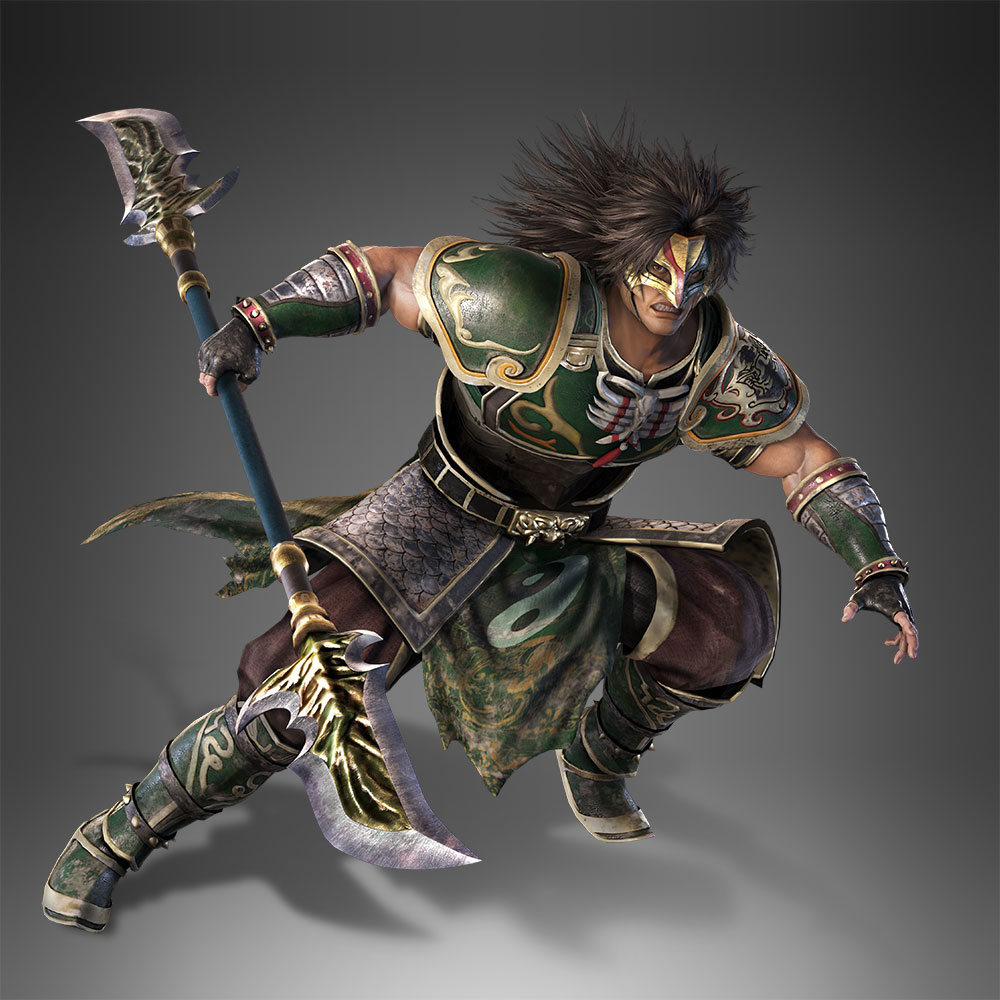
Who Was Wei Yan?
Wei Yan (魏延), courtesy name Wenchang, was a prominent general of the Shu Han state. He served under Liu Bei and later under the famed strategist Zhuge Liang.
Unlike many officials of noble birth, Wei Yan came from a relatively obscure background. Despite this, he rose through the ranks thanks to his exceptional military skills and bold personality.
Key traits:
Aggressive and innovative strategist
Strong battlefield leadership
Outspoken and often arrogant
Rise to Power
Service Under Liu Bei
Wei Yan first gained recognition while serving Liu Bei during his campaigns to establish Shu Han. His most notable contribution was in the capture and defense of Hanzhong, a strategically vital region.
What surprised many at the time was Liu Bei’s decision to appoint Wei Yan—rather than a more senior general—to guard Hanzhong. This clearly reflected a high level of trust in his abilities.

Role Under Zhuge Liang
After Liu Bei’s death, Wei Yan continued to serve under Zhuge Liang, playing a key role in the Northern Expeditions against the rival state of Wei.
However, tensions began to emerge:
Wei Yan favored bold, high-risk strategies
Zhuge Liang preferred cautious, methodical approaches
This strategic disagreement would later contribute to deeper conflicts.
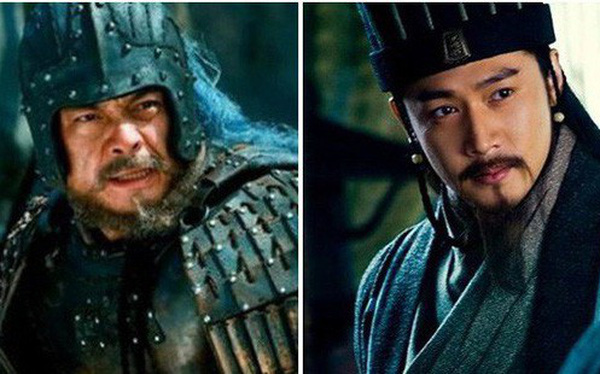
Military Genius and Bold Strategy
Wei Yan is often remembered for his daring proposal known as the “Ziwu Valley Plan”:
Lead a surprise force through a narrow mountain route
Launch a sudden attack on Chang’an, a major Wei stronghold
If successful, this plan could have dramatically changed the balance of power.
However, Zhuge Liang rejected the idea, considering it too risky.
Was Wei Yan a Traitor?
After Zhuge Liang’s death, internal tensions escalated within the Shu command structure.
Conflict with Other Generals
Wei Yan clashed with figures like:
Yang Yi
Ma Dai
He believed he was the most capable leader remaining and resisted following others’ orders.
His Death and Accusation
Eventually, Wei Yan was accused of rebellion and executed.
But historians continue to debate this conclusion:
Some argue he showed signs of insubordination
Others believe he was falsely accused due to political rivalry
Many modern scholars lean toward the view that he was misunderstood rather than treacherous.
Wei Yan in Romance of the Three Kingdoms
In the classic novel Romance of the Three Kingdoms, Wei Yan is portrayed more negatively:
He is described as having a “traitor’s bone”
Frequently depicted as ambitious and untrustworthy
However, this portrayal is largely fictional and intended to enhance dramatic storytelling.
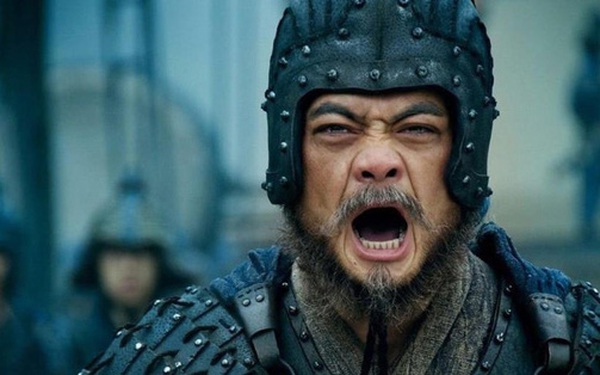
Historical Reassessment
Today, Wei Yan is viewed through two main perspectives:
1. The Rebel
Defied authority
Contributed to internal instability
2. The Misunderstood Genius
Ahead of his time strategically
Undervalued and politically isolated
Modern interpretations increasingly support the second view.
Lessons from Wei Yan’s Life
Wei Yan’s story offers timeless insights:
Talent alone is not enough—collaboration matters
Ego and conflict can destroy even the most capable leaders
History is often shaped by perspective, not just facts
Conclusion
Wei Yan remains one of the most fascinating figures of the Three Kingdoms period. A brilliant yet polarizing general, his life reflects both the heights of military genius and the tragedy of misunderstanding.
Was he a traitor or a visionary strategist born at the wrong time? The answer may depend on how we choose to interpret history.