
Electric Cars vs Gas Cars – The Ultimate Comparison in 2026

Introduction
For over a century, gasoline-powered vehicles have dominated the global automotive industry. However, the rise of electric vehicles (EVs) is reshaping how people think about transportation. Major automakers like Tesla, Toyota, and VinFast are heavily investing in electrification.
But which option is better in 2026—electric cars or gas cars? This comprehensive guide compares both across cost, performance, environmental impact, and long-term value.
⚙️ 1. How They Work
Gas Cars (Internal Combustion Engine)
Gasoline vehicles rely on internal combustion engines (ICE), where fuel is burned to generate mechanical power. This process involves multiple components such as pistons, crankshafts, and exhaust systems.
Key drawbacks:
Emits carbon dioxide (CO₂)
Lower energy efficiency (~25–30%)
More mechanical complexity
Electric Cars (EVs)
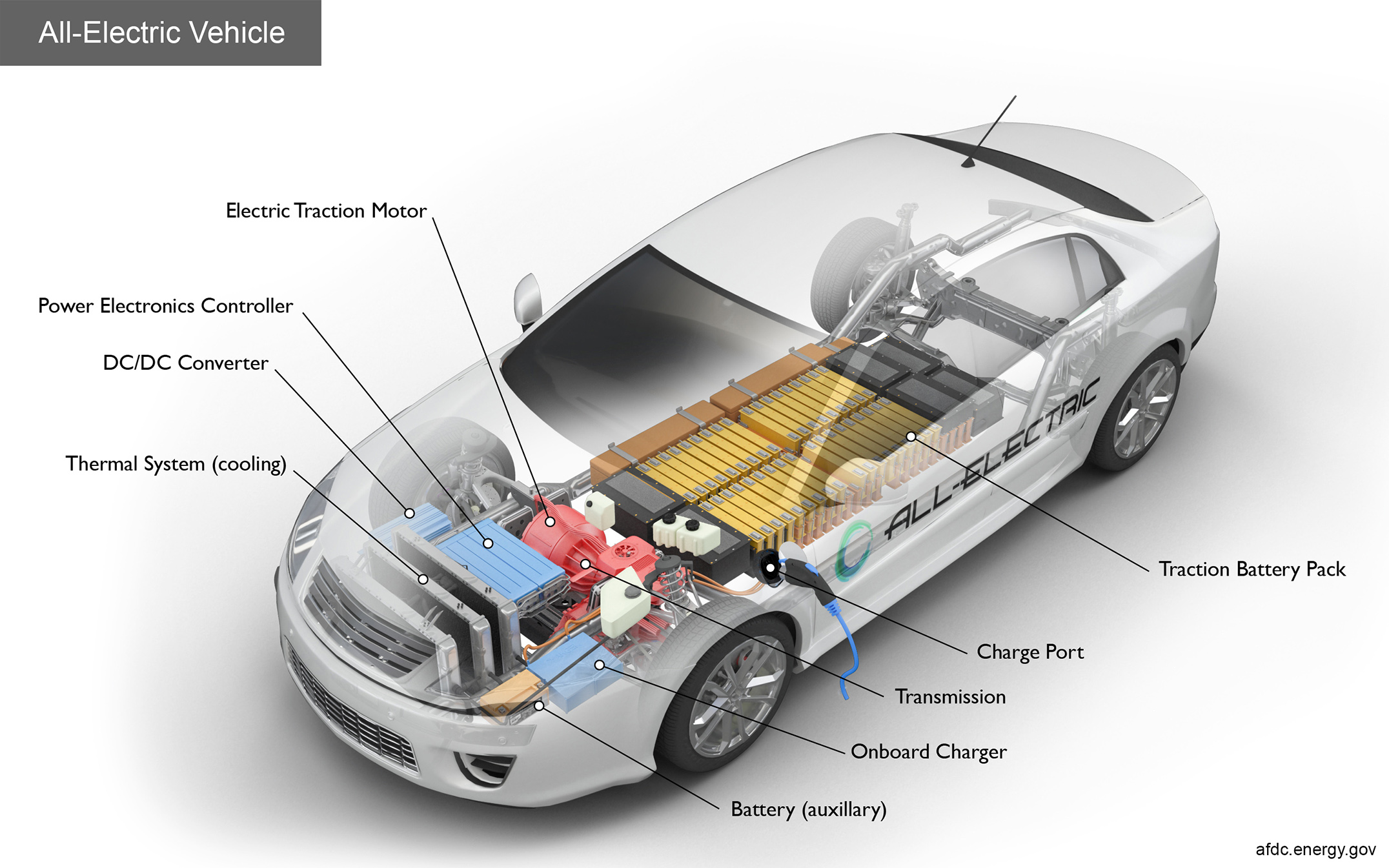
Electric vehicles use rechargeable batteries and electric motors instead of fuel combustion. Energy stored in lithium-ion batteries powers the motor directly.
Key advantages:
High efficiency (~85–90%)
Zero tailpipe emissions
Simpler mechanical structure
💰 2. Cost of Ownership
Fuel vs Electricity
Fuel cost is one of the biggest differences:
Gas cars depend on fluctuating fuel prices
EVs run on electricity, which is significantly cheaper
Example (per 100 km):
Gas car: ~$6–10
Electric car: ~$2–4
👉 EVs can reduce energy costs by up to 60–80%.
Maintenance Costs
Gas vehicles require frequent maintenance:
Oil changes
Spark plugs
Air filters
Transmission repairs
Electric vehicles:
Fewer moving parts
No oil changes
Less wear and tear
👉 Result: EVs are much cheaper to maintain.
Purchase Price
EVs: Higher upfront cost
Gas cars: More affordable options available
However, when considering Total Cost of Ownership (TCO):
👉 EVs often become cheaper over 5–10 years.
🌱 3. Environmental Impact
Gas Cars
Produce CO₂ emissions
Contribute to air pollution
Accelerate climate change
Electric Cars
Zero direct emissions
Reduce urban air pollution
Lower noise levels
👉 Important note:
EVs are even greener when powered by renewable energy.
🚀 4. Performance & Driving Experience
Acceleration
Electric cars deliver instant torque, meaning faster acceleration.
👉 Example:
The Tesla Model 3 can outperform many gas-powered sports cars.
Noise & Comfort
EVs: Quiet and smooth
Gas cars: Engine noise and vibration
Driving Feel
Gas cars: Mechanical and traditional
EVs: Smooth, modern, tech-driven
👉 Choice depends on personal preference.
🔌 5. Infrastructure & Convenience
Gas Cars
Gas stations are everywhere
Refueling takes 3–5 minutes
Electric Cars
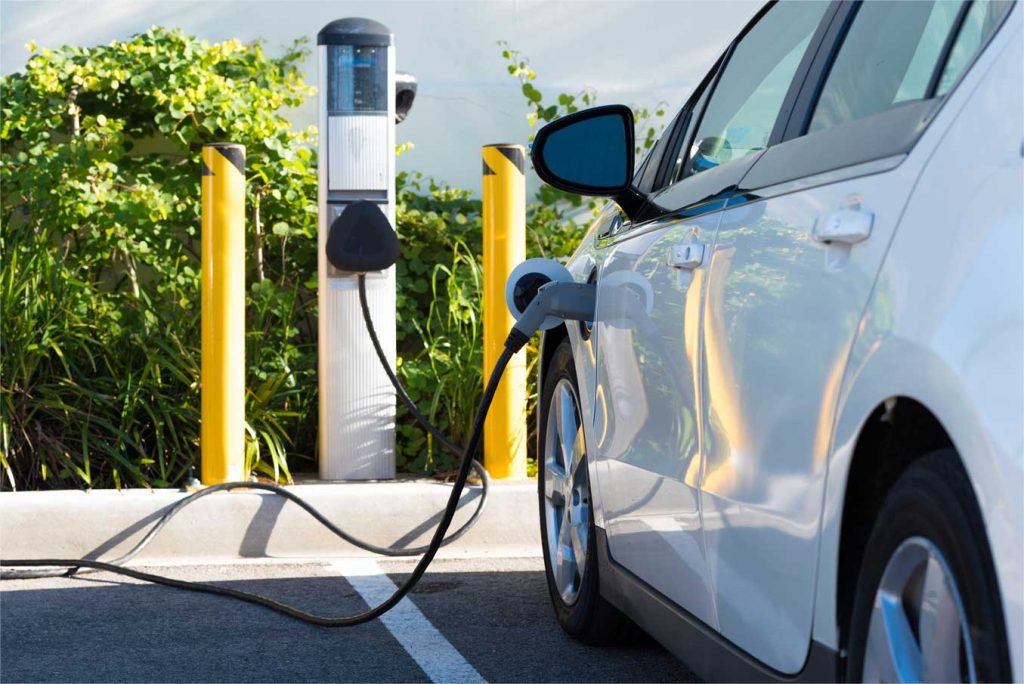
Charging stations are expanding
Charging time:
Fast charging: 20–40 minutes
Home charging: 6–8 hours
👉 This remains the biggest limitation of EVs today.

🤖 6. Technology & Innovation
Electric vehicles are leading in innovation:
AI-powered driving assistance
Over-the-air (OTA) updates
Smart connectivity
Examples:
VinFast VF 8 features a smart virtual assistant
Tesla Model S includes advanced Autopilot
Gas cars still offer technology, but typically less advanced.
⏳ 7. Lifespan & Durability
Gas Cars
Lifespan: 10–20 years
Easy to repair
Electric Cars
Battery degrades over time
Battery replacement can be expensive
👉 However, battery technology is improving rapidly.
🌍 8. Future Trends
Governments worldwide are pushing for electrification:
Many countries plan to ban gas cars by 2035
EV incentives are increasing
Major brands like:
Ford
Volkswagen
are transitioning toward electric mobility.
👉 Conclusion:
Electric cars are the future of transportation.
⚖️ 9. Side-by-Side Comparison
FactorElectric CarsGas CarsFuel CostLowHighMaintenanceLowHighEnvironmental ImpactEco-friendlyPollutingInfrastructureGrowingFully developedPurchase PriceHigherMore flexibleTechnologyAdvancedConventional
🎯 10. Which One Should You Choose?
Choose an Electric Car if:
You live in a city
You have access to home charging
You want long-term savings
You care about the environment
Choose a Gas Car if:
You travel long distances frequently
You need quick refueling
You have a limited budget

🔚 Final Verdict
Electric cars and gas cars both have their strengths and weaknesses. While gas cars still offer convenience and accessibility, electric vehicles are rapidly catching up—and surpassing them in many areas.
With advancing technology, expanding infrastructure, and global environmental goals:
👉 Electric vehicles are no longer just the future—they are the present.